

There’s nothing quite like that moment when your students finally get a concept—and then forget it two weeks later. Welcome to the world of spiral review: the not-so-glamorous but absolutely essential part of elementary math instruction.
Let’s be honest: spiral review can feel like a grind. Repeating the same skills over and over often turns into a stack of worksheets or a rushed five minutes at the end of your lesson. And your students? They tune out faster than you can say “fact fluency.”
The good news? It doesn’t have to be that way. Students actually thrive on repetition—when it feels playful. That’s where math games come in. By building in intentional, game-based spiral review, you can help students retain skills while keeping your classroom energy high.
Let’s walk through three simple steps to turn math review from a chore into one of the most engaging parts of your week.

Three Steps to Use Games to Review Math Skills
Step 1: Choose a Focus Skill Set
Start small. You don’t need to review everything at once. Pick one or two fluency targets or priority standards that deserve a weekly spotlight. Focus on skills that benefit from repeated exposure, such as:
- Addition and subtraction facts within 10 or 20
- Skip counting by 2s, 5s, and 10s
- Comparing numbers using >, <, and =
- Building and decomposing numbers using place value
Use your classroom data, observations, or recent assessments to guide your picks. Even a simple math chat can tell you what your students need more time with.

And keep in mind that a single game can often hit more than one skill. For example, a simple card sort might have students matching number sentences to models, helping them build number sense and fluency at the same time.
Step 2: Pick 1–2 Flexible Game Formats
One of the biggest time-saving tricks? Reusing game formats your students already know. Pick a few structures that are easy to teach once and adapt again and again:
- Roll & Cover: Great for practicing number combinations, addition, subtraction, or even place value.
- Matching or Memory: Use for comparing numbers, doubles facts, or ten-frame representations.
- Board Games: Add rotating task cards so students practice different skills with the same setup.
- Card Sorts: Challenge students to group cards by rule, category, or answer.
Once students know how to play, all you need to do is swap out the content. No reteaching directions every week. It’s efficient and it builds student independence. For example, use Roll & Cover in September for number recognition, then bring it back in January for doubles +1 facts.

Step 3: Use Weekly Rotations or a “Flashback Friday” Model
Want to make spiral review feel seamless? Embed it into your weekly schedule.
Want me to send you this post?
Here are two teacher-friendly ways to do it:
- Weekly Rotations: Include one spiral review game in your center rotations each week. Students encounter it in small groups, giving you a chance to observe and support.
- Flashback Friday: Dedicate part of your Friday math block to reviewing previous skills through quick, engaging games. It keeps skills alive without feeling like a test.

Bonus: Because you’re using familiar formats, students dive right in. You can prep once and reuse with intention—exactly what busy teachers need.
Pro Tip: Centers in a Snap Units Are Already Designed With Spiral Review in Mind
Here’s the thing: everything we just walked through? It’s already built into Centers in a Snap. This monthly math game subscription was designed for teachers who believe in hands-on learning but need something realistic to implement.
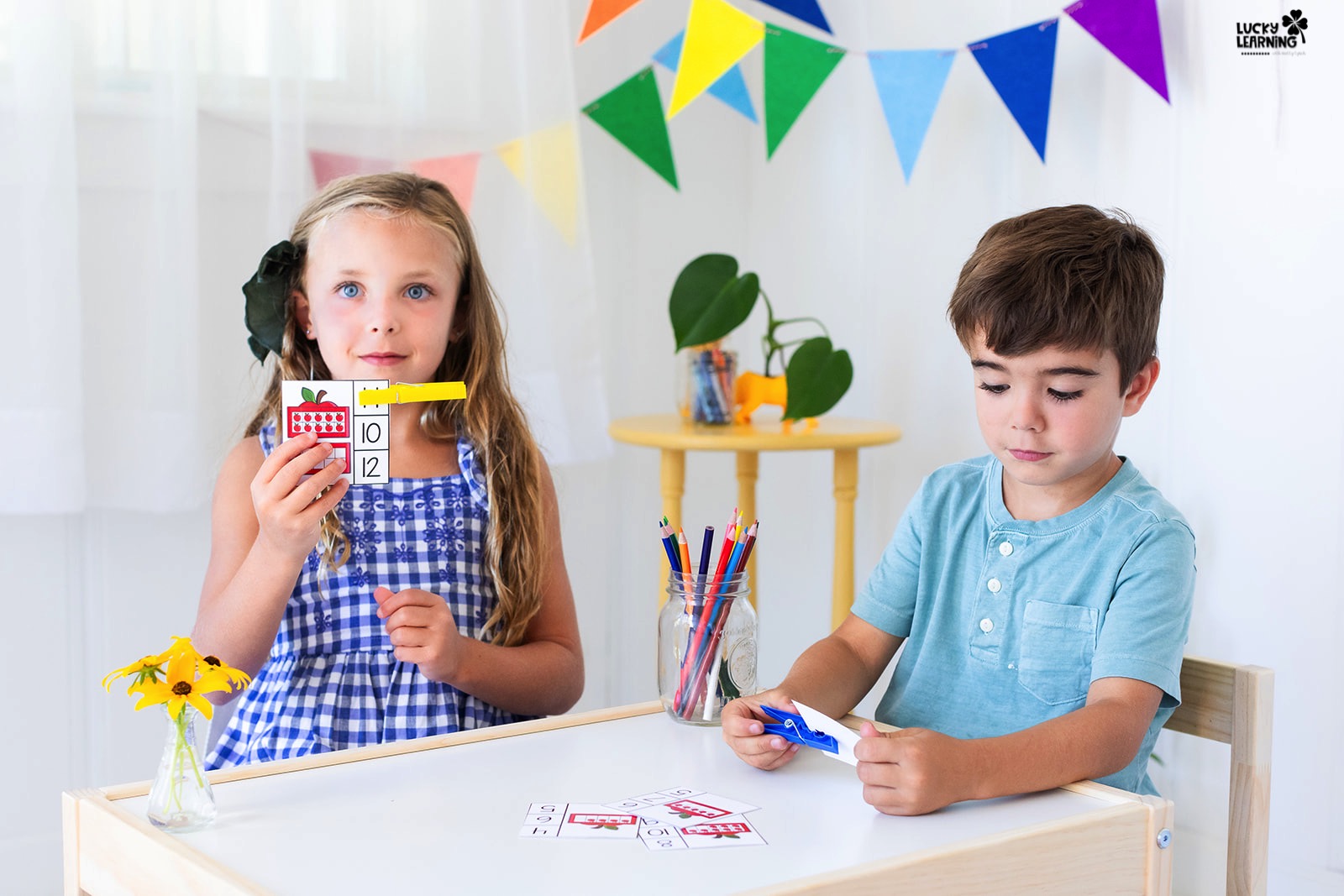
Each month includes:
- Skill-based games that revisit foundational standards
- Repeatable formats that students recognize
- Minimal-prep materials that work right out of the box
No more searching for ideas or spending your Sunday printing and cutting. These centers bring the benefits of spiral review and student engagement without the stress.

Spiral Review Doesn’t Have to Be Boring
If you’re tired of repeating the same concepts without seeing results, math games might be the shift you need. By choosing key skills, using flexible formats, and making review a visual part of your week, you can turn review into something your students look forward to.
And when you’re ready to make it even easier? Centers in a Snap has you covered.
Want a peek at a few games? Sign up below and I’ll send you 12 free games!
Don’t forget to pin this post for later!

