Have you ever explained an activity several times only to hear, “What are we supposed to do again?” five seconds later? ?
If you teach young children, you probably experience this almost daily!
I think all teachers are noticing that students are struggling more than ever with listening carefully, following multi-step directions, and staying focused during independent work. Even students who are bright and capable sometimes have difficulty remembering simple instructions or completing tasks without repeated reminders.
The good news is that following directions is a skill that can be practiced and strengthened over time.
Just like reading fluency or math fact fluency, listening skills improve with consistent exposure and meaningful practice. And now more than ever, we need to put just as much effort into practicing following directions as we do other important skills!
Why Students Struggle With Following Directions
Today’s students are growing up in a fast-paced world filled with constant distractions. How can we compete with the excitement of Roblox or video games? Many children are used to quick entertainment, short videos, and rapid transitions between activities. Sitting still and listening carefully for multiple directions can be challenging for those used to fast-paced graphics, loud sounds, and a constantly changing background!
In the classroom, this often shows up in small ways.
Students may begin working before all directions are given. They may skip important details. Some children become overwhelmed by multi-step tasks and immediately ask for help before even trying to do it independently.
This can become frustrating for both teachers and students.
When students struggle to follow directions, classroom routines become harder to manage. Simple activities take longer than expected. Teachers end up repeating themselves throughout the day, which can feel exhausting.

The encouraging part is that these skills can absolutely improve with intentional practice.
Listening Skills Affect More Than Classroom Behavior
Following directions is connected to so many important academic skills.
Students use listening skills during reading lessons, math instruction, centers, science experiments, classroom discussions, and small group activities. Even completing a worksheet successfully often requires children to carefully listen and process information.
Strong listening skills also help students become more independent learners {which is our ultimate goal, right?!}
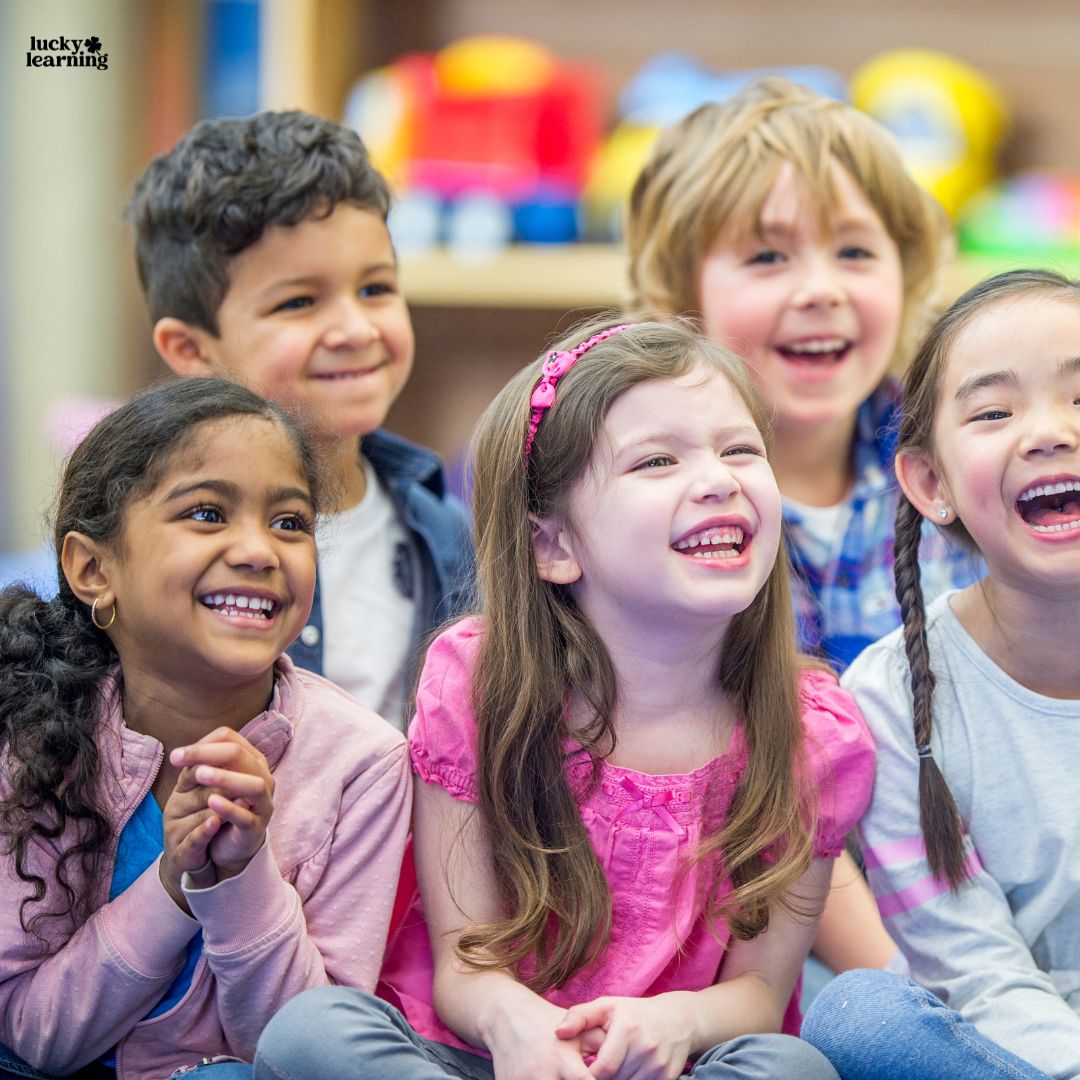
Children who can follow directions confidently are often able to start tasks on their own, complete activities successfully, and participate more fully in classroom routines. This independence builds confidence and reduces frustration.
For younger learners, especially, practicing listening skills early can make a huge difference throughout the school year.
Why Listen-and-Color Activities Work So Well
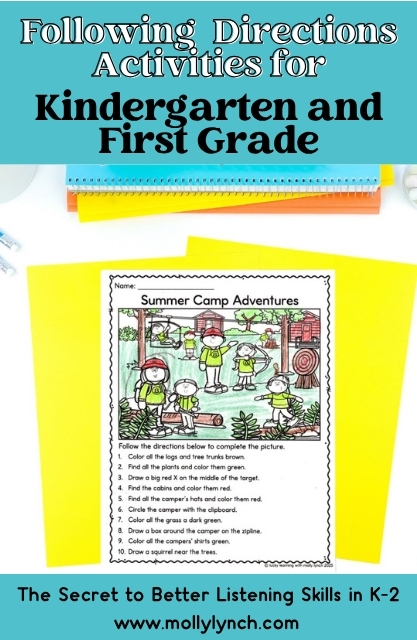
One of my favorite ways to practice following directions in the classroom is through listen-and-color activities.
These activities feel fun and engaging for students, but they also provide meaningful listening practice at the same time.
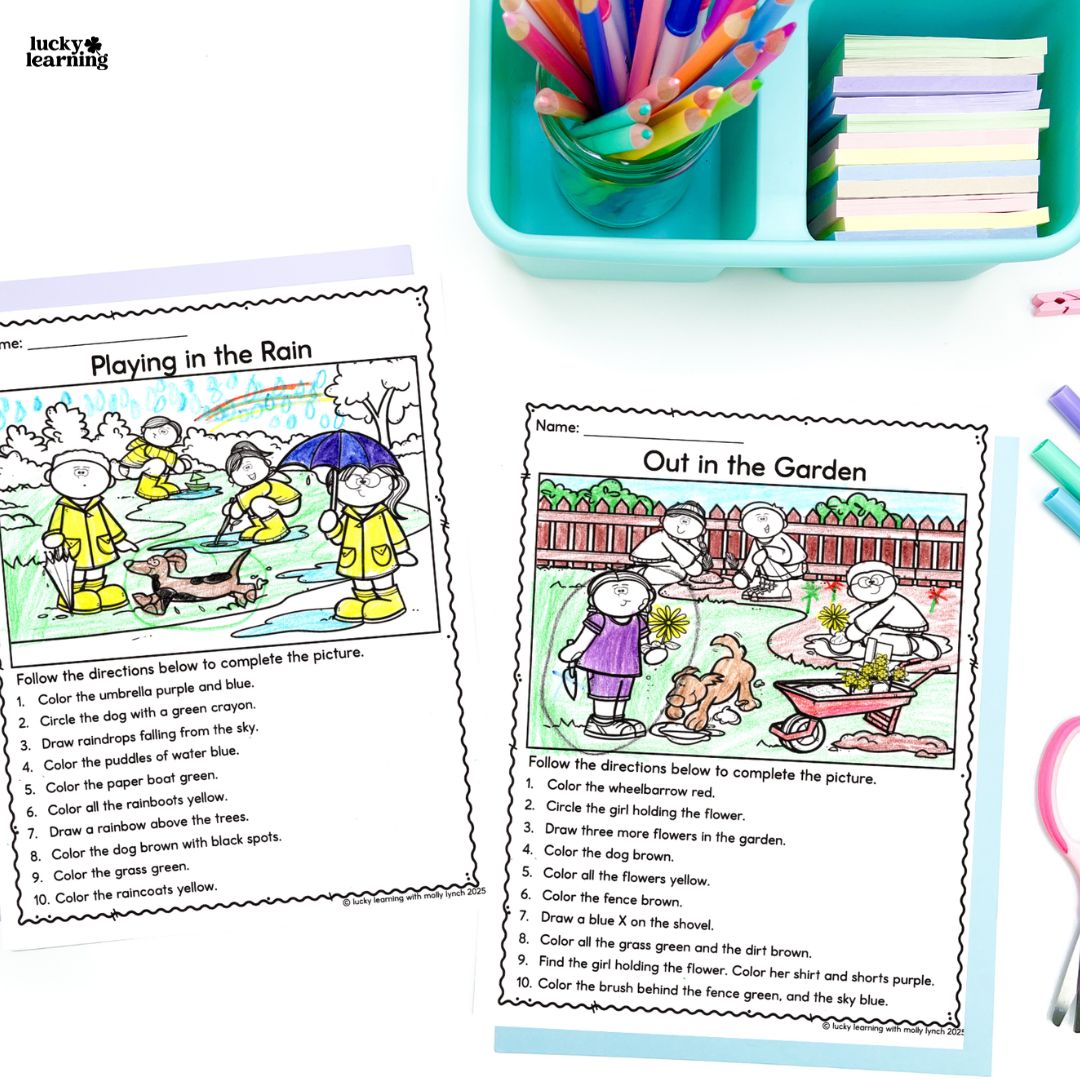
Because students are actively coloring, circling, or drawing while listening, they tend to stay more focused on the directions being given. The visual component helps keep children engaged longer than traditional listening exercises.
Students also love the challenge of making sure their picture matches the directions correctly.
Want me to send you this post?
Without even realizing it, they are practicing:
- careful listening
- attention to detail
- visual discrimination
- fine motor skills
- patience
- independent work habits
The best part is that these activities feel low-pressure and enjoyable for young learners.
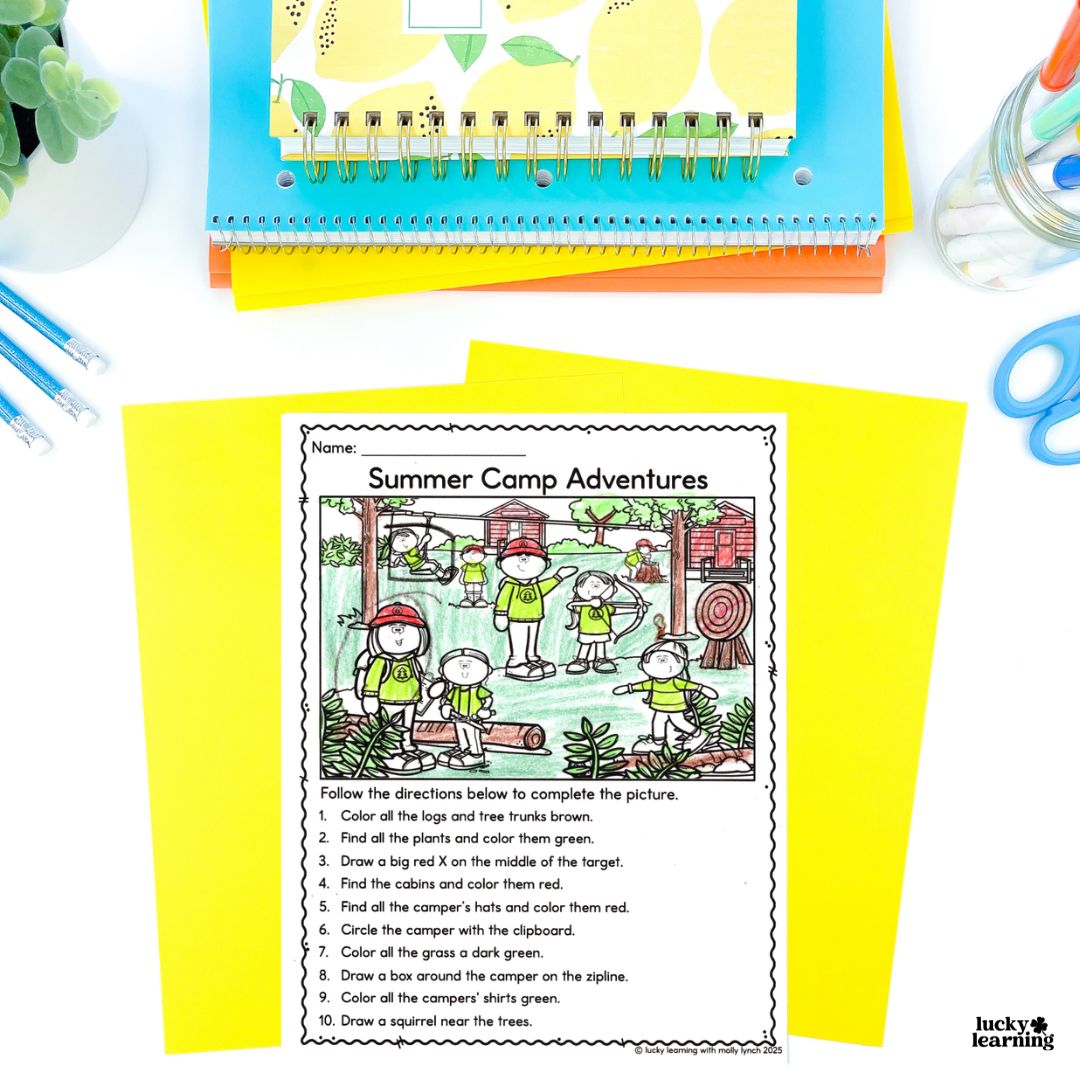
Many students view them as a game instead of academic practice! Love when that happens, right?!
Easy Ways to Build Listening Skills Every Day
Listening practice does not have to take a large block of instructional time.
In fact, short and consistent practice is often the most effective approach.
Following directions activities work wonderfully during morning work, literacy centers, indoor recess, fast finisher time, or even as part of your seasonal classroom routines. They are also perfect to keep on hand for substitute plans because students can complete them independently once they understand the format.
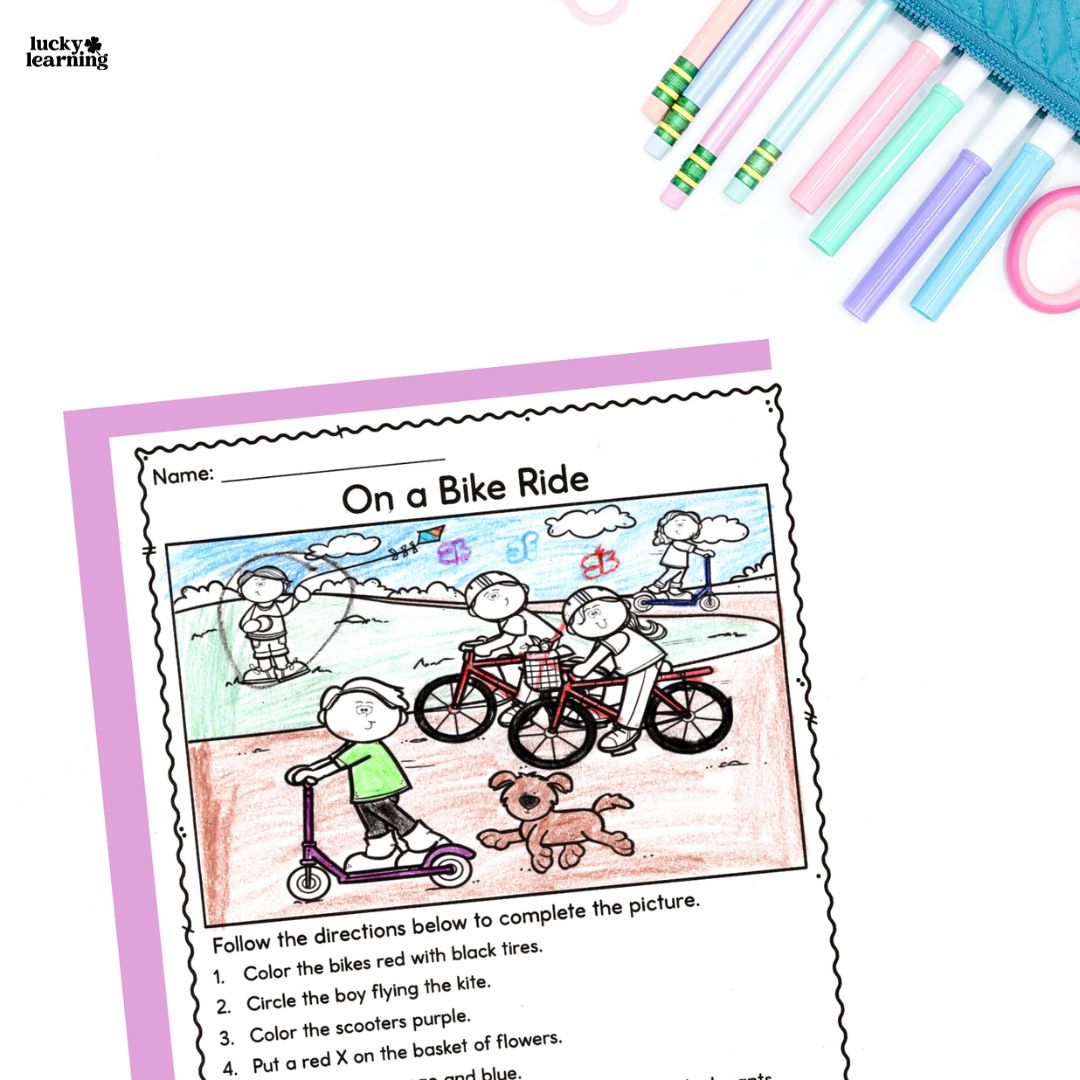
I especially love using seasonal activities throughout the year because the changing themes keep students interested.
A pumpkin activity in October feels exciting and fresh. Snowman-themed pages during winter instantly increase engagement. Spring and end-of-year themes help maintain interest later in the school year when attention spans can become even shorter.
Simple seasonal changes can make a huge difference in student motivation.
A Low-Prep Way to Practice Important Skills
As teachers, we are constantly trying to balance meaningful instruction with realistic prep time.
That is one reason I love using seasonal following directions coloring activities in my own classroom. They are easy to prep, engaging for students, and flexible enough to use in multiple ways throughout the week.
These types of activities allow students to strengthen listening comprehension while also giving teachers a manageable classroom routine that works all year long.
Whether you use them during centers, morning work, small groups, or independent practice, they provide students with an opportunity to slow down, listen carefully, and focus on details in a fun and approachable way.
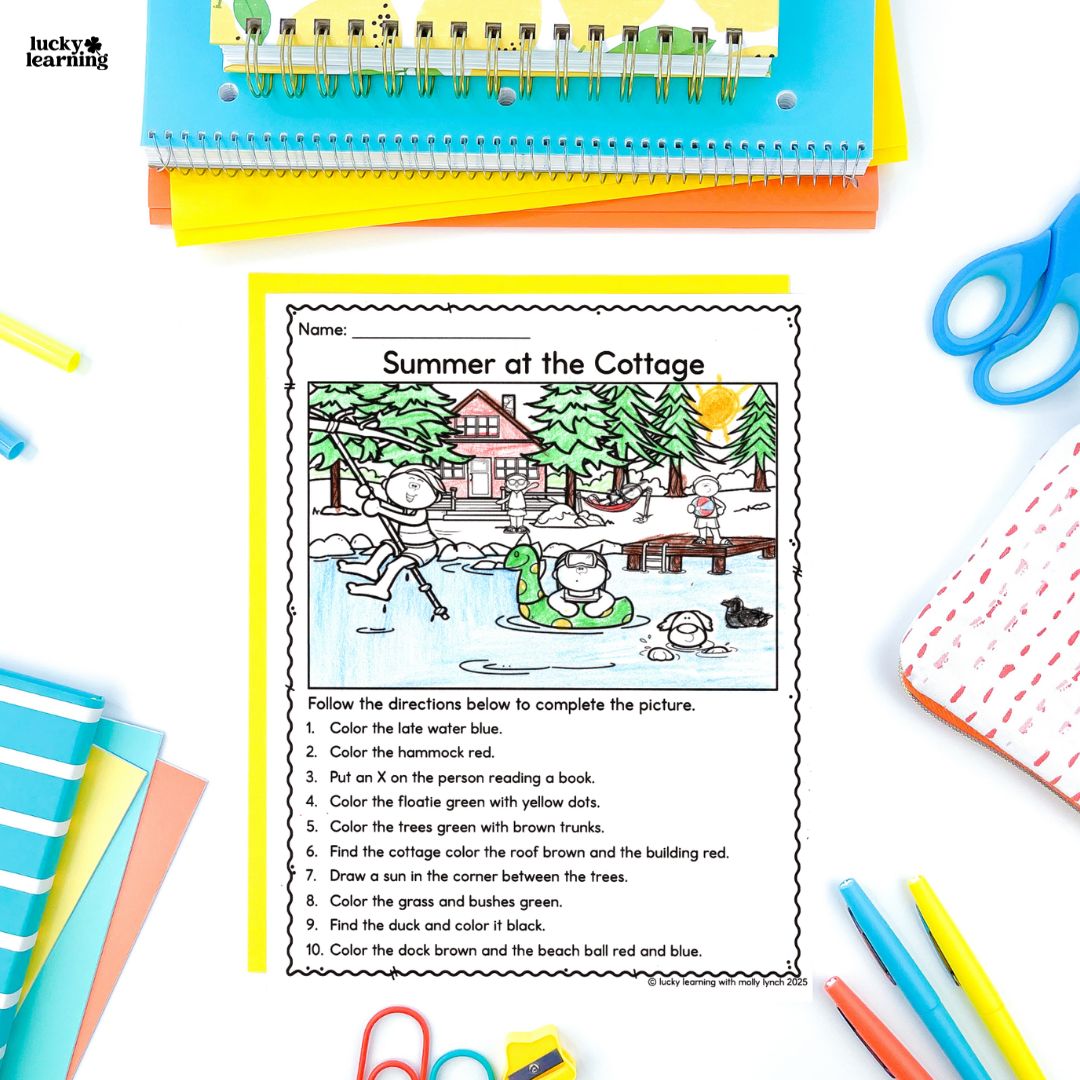
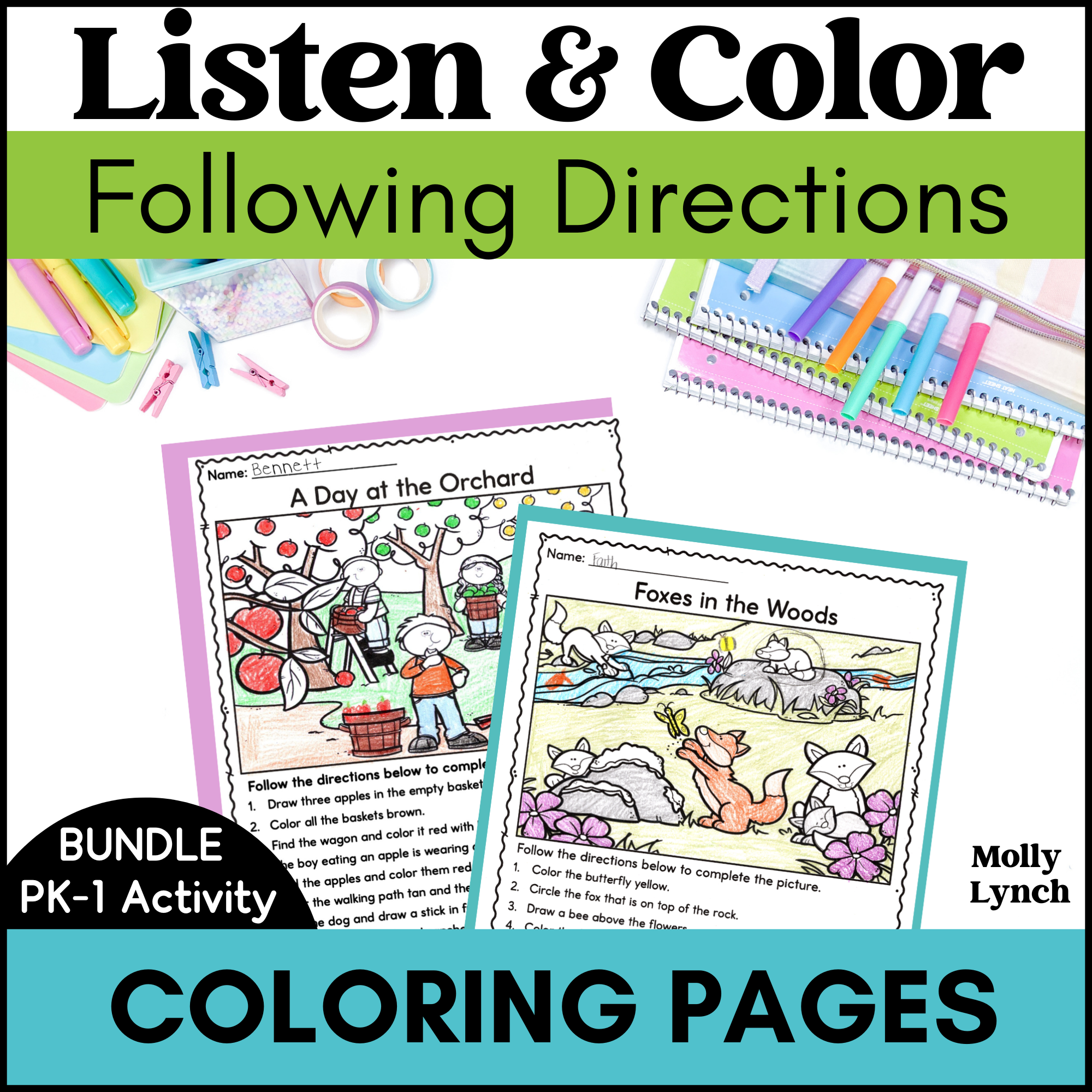
If you are looking for an easy way to strengthen listening skills in your classroom, you can check out my Seasonal Following Directions Coloring Activity Bundle on Teachers Pay Teachers.
Sometimes the smallest classroom routines can have the biggest impact.
Practicing listening skills consistently helps students become more confident, independent, and successful throughout the school day. Even a few minutes of intentional listening practice can help children improve their focus and ability to follow directions over time.
And when those activities are engaging, seasonal, and easy to prep, everybody wins.
What are your favorite ways to practice listening and following directions in your classroom?
Don’t forget to pin this post for later!