Teaching compound words is one of those skills that seems simple at first…until students head off to literacy centers and suddenly every word combination becomes a guessing game.
We know our young learners often need lots of repetition and hands-on practice before compound words truly click. The good news is that compound word practice can be fun, interactive, and easy to fit into your literacy block without requiring complicated prep work!
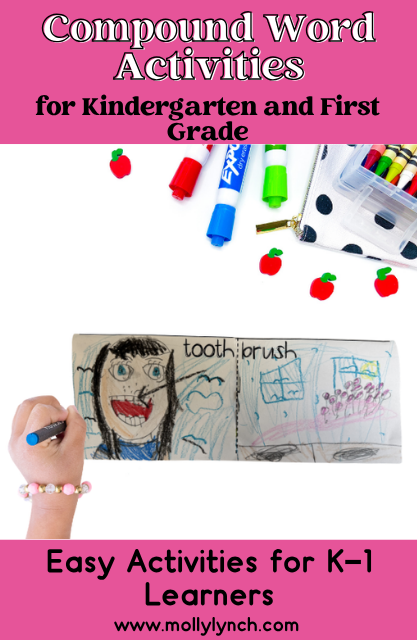
Over the years, I’ve found that students learn compound words best when they can physically manipulate words and discover how smaller words come together to make a brand-new word. Activities that feel playful tend to keep engagement high and frustration low, especially for beginning readers.
If you’re looking for simple ways to practice compound words in your classroom, here are a few favorite ideas that can work in your Kindergarten, 1st or 2nd grade classroom!
Kick it Off with a Video
I LOVE when Brain Pop Jr. has a video to help introduce a concept. I don’t know why kids listen better to Moby and Annie than me, but I’ll take it!
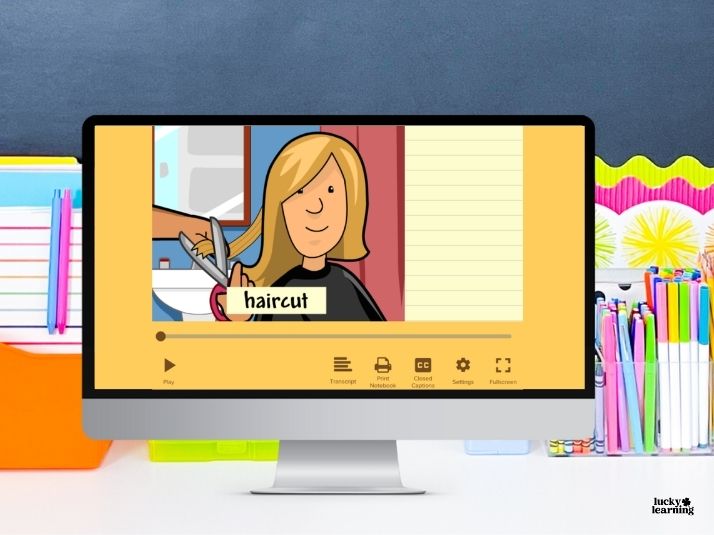
Fingers crossed your school has a subscription to Brain Pop!
Play an Oral Language Game
Before students can confidently read and write compound words, they need opportunities to hear them and say them aloud.
One of the easiest ways to practice is through quick oral language games during transition times, morning meeting, or while lining up. You can say two small words aloud and have students combine them together.

For example:
“What word do we make when we put snow and man together?”
“What happens when we combine cup and cake?”
Students love trying to “solve” the words, and it helps build vocabulary naturally throughout the day.
You can also reverse the activity and give students the compound word first. Then challenge them to break it apart into the two smaller words they hear.
Or, find a Compound Word game on YouTube!
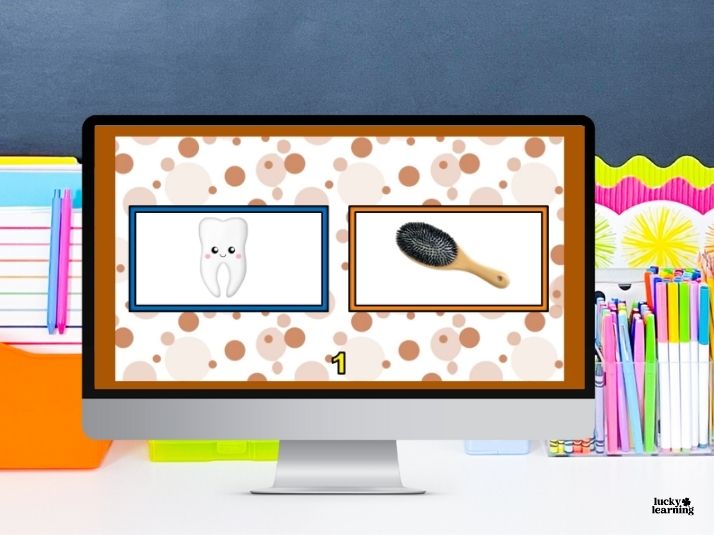
These little moments of practice add up quickly!
Use Hands-On Literacy Centers
Hands-on activities are often the key to helping young learners truly understand compound words.
When students can move pieces, flip pages, match pictures, or physically build words, the learning becomes more meaningful and memorable.
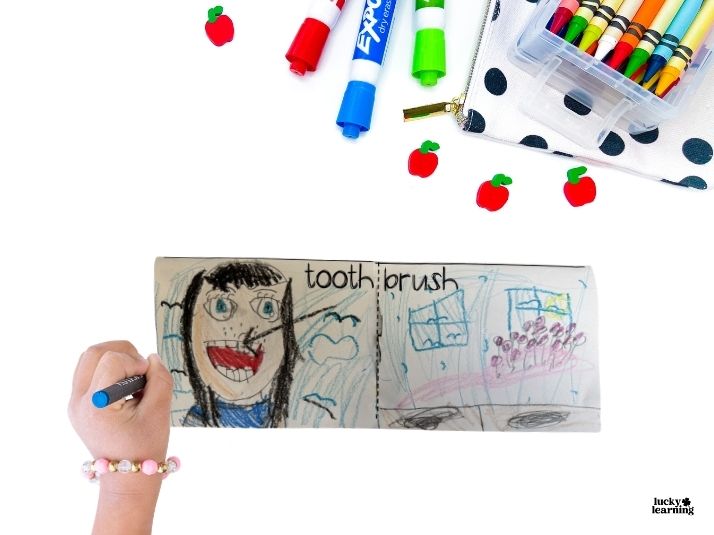
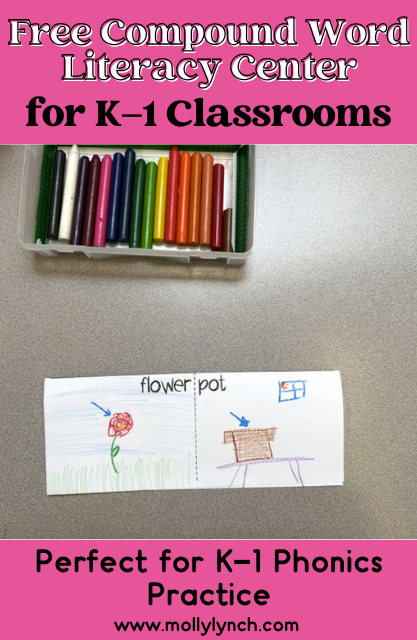
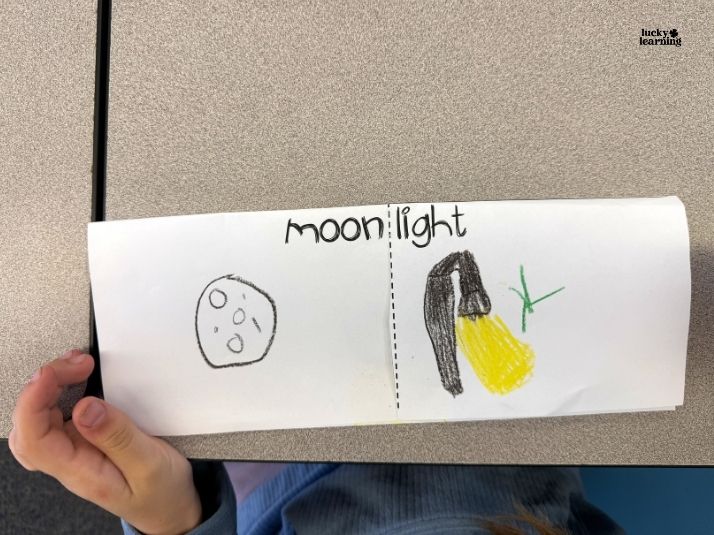
One activity my students always enjoy is creating compound word flippers. Students look at the two smaller words on the outside and then flip open the page to reveal the compound word hidden inside.
It turns compound word practice into something interactive instead of another worksheet.
I also love that activities like this encourage independence during literacy centers. Once students understand how the activity works, they can practice successfully on their own while I meet with small groups.
The excitement of opening the flipper to reveal the mystery word keeps students engaged every single time.
Look for Compound Words During Read-Alouds
Read-alouds are another great opportunity to reinforce compound words naturally.
Want me to send you this post?
As you read together, pause whenever students hear a compound word in the story. You can quickly discuss the two smaller words that create the larger word.
Students are often surprised by how many compound words they begin noticing once they start paying attention.
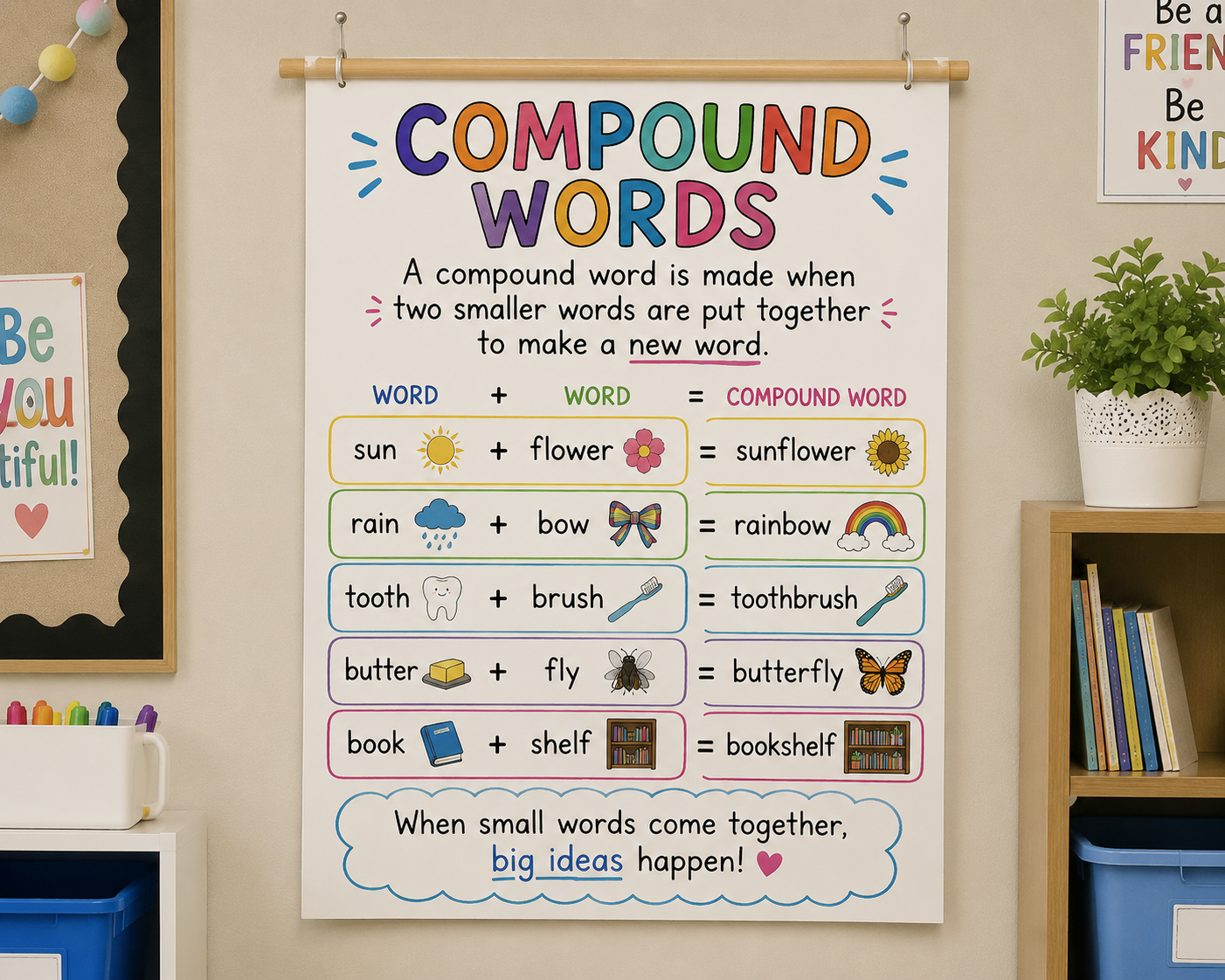
You can even create a classroom anchor chart where students add new compound words they discover throughout the week. This keeps the skill visible and encourages students to look for compound words independently.
Books become even more meaningful when students start spotting phonics patterns in authentic text.
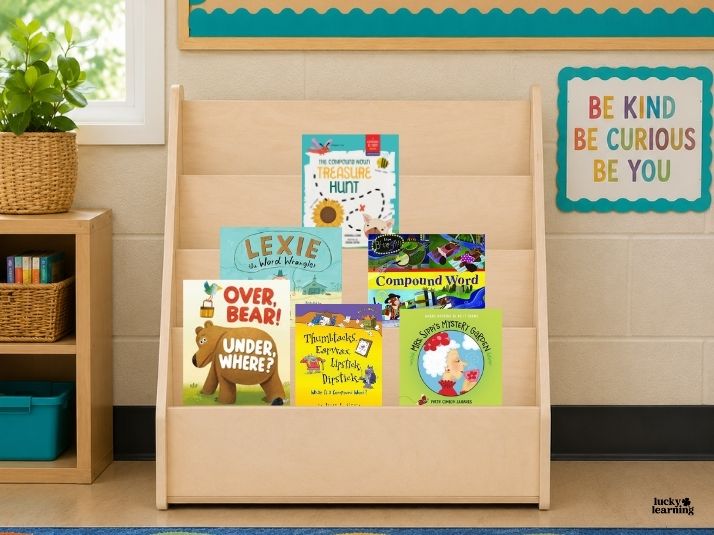
Here are a few of my favorite Compound Word Read Alouds:
• Over Bear! Under Wear?
• Thumbtacks, Earwax, Lipstick, Dipstick: What Is a Compound Word?
• Mrs. Sippi’s Mystery Garden
• If You Were a Compound Word
• Lexie the Word Wrangler
• The Compound Noun Treasure Hunt
Bring Compound Words Into Writing Time
Writing activities are another simple way to reinforce compound words throughout the day.
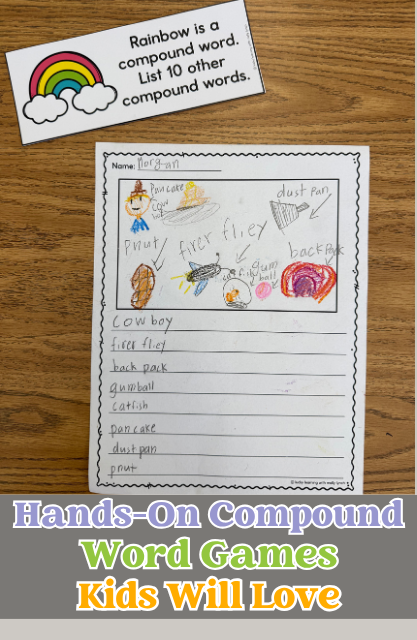
Encourage students to use compound words during journal writing, labeling activities, or story writing. You can challenge students to see how many compound words they can include in a sentence or short story.
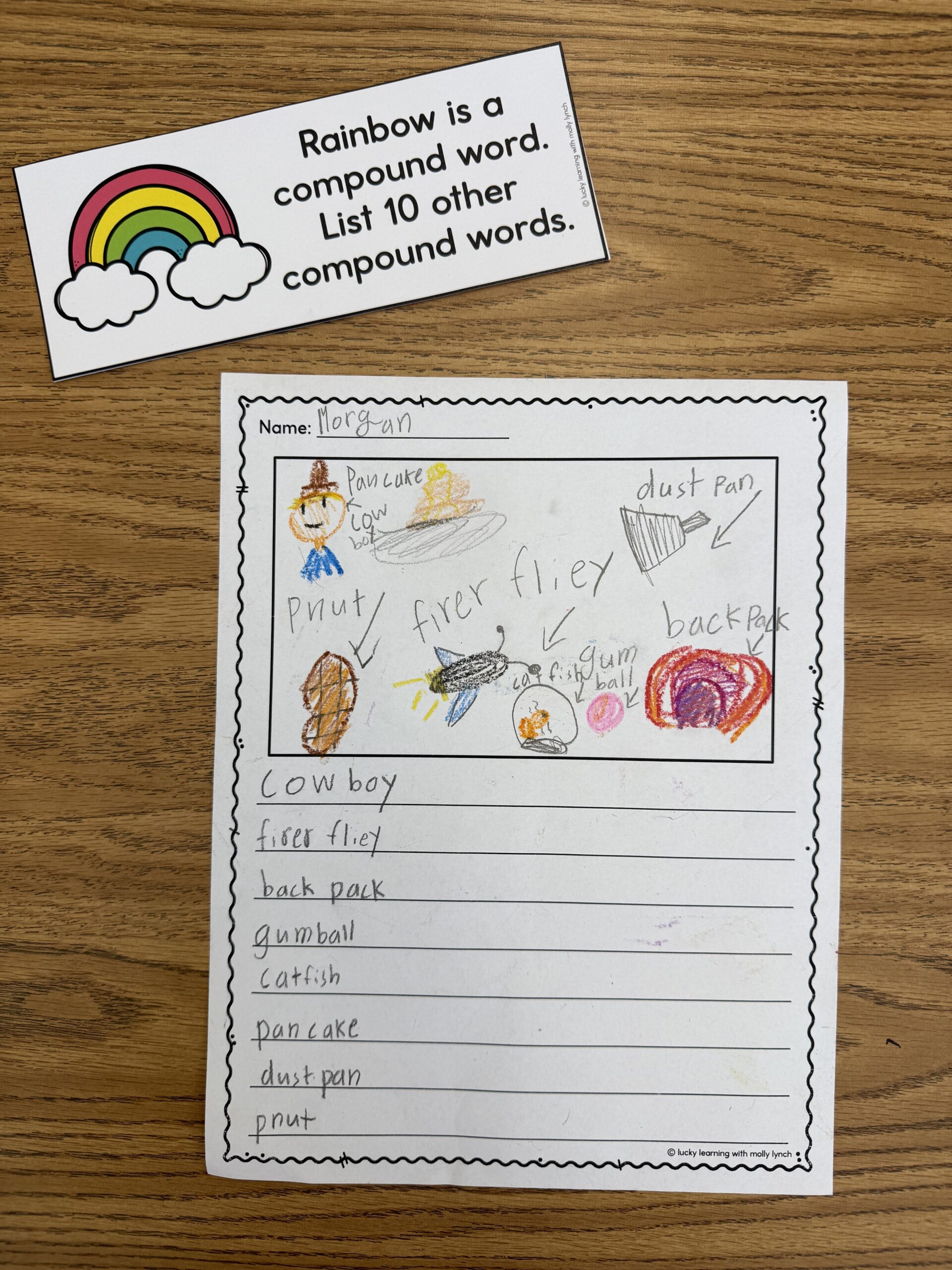
Sometimes I’ll even create a “compound word challenge” during writing workshop where students try to use one or two compound words correctly in their work.
This helps students move beyond simply identifying compound words and start applying them naturally in their own reading and writing.
Keep Practice Simple and Consistent
The biggest thing I’ve learned about teaching compound words is that students benefit most from short, consistent practice opportunities.
It doesn’t have to be a huge lesson every day.
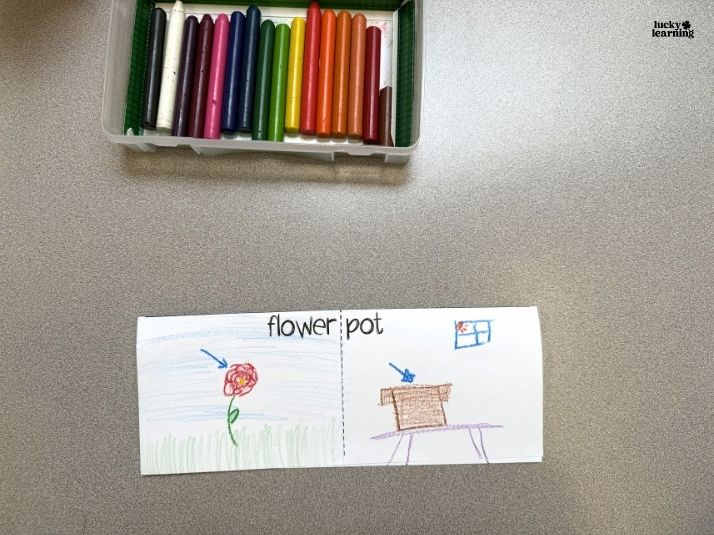
A quick game during morning meeting, a hands-on literacy center, or a read-aloud discussion can make a huge difference over time.
Young learners thrive when phonics skills are practiced in meaningful and engaging ways.
Grab the Free Compound Word Flippers
If you’d like an easy, hands-on activity to add to your literacy centers, I’d love to share my free Compound Word Flippers with you.
These interactive flippers are simple to prep, engaging for students, and perfect for practicing compound words independently during center time.
Sign up for the freebie here!
I hope your students love using them as much as mine do!
Don’t forget to pin this post for later!