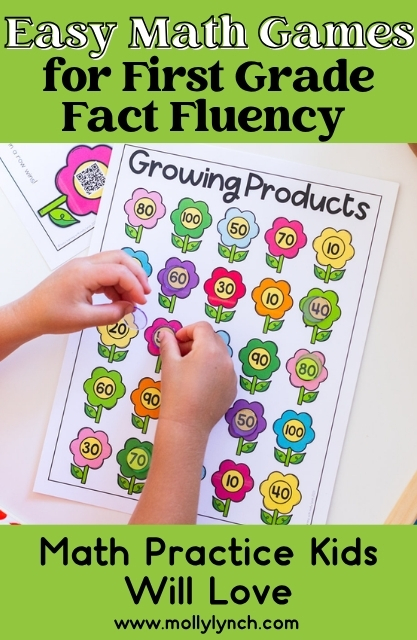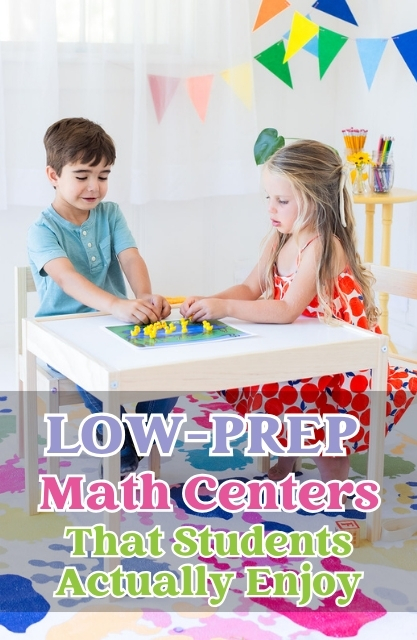
There is a moment during math time that almost every elementary teacher recognizes immediately.
You pass out another worksheet and suddenly the energy in the room changes. Some students rush through it as quickly as possible. Others stare at the page and avoid getting started. A few students may even quietly groan because they already know exactly what kind of activity is coming next.
The truth is that fact fluency practice is incredibly important in Kindergarten, first grade, and second grade classrooms. Students need repeated exposure to addition, subtraction, number sense, and place value concepts in order to build confidence and automaticity.
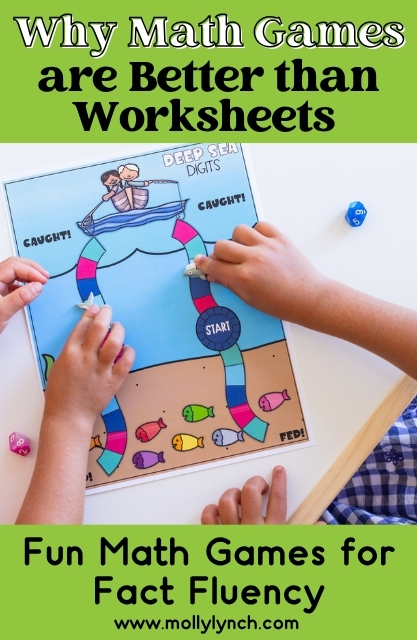
But we know just because students need repetition does not mean the practice has to feel repetitive.
Over the years, I’ve found that one of the easiest ways to completely change the mood of math time is by replacing some worksheets with simple math games. The learning still happens. In fact, students are often practicing even more than they would on a worksheet! The difference is that they are engaged, participating, and actually excited to practice math skills.
Why Fact Fluency Matters So Much
Fact fluency is one of the building blocks for future math success.
When students can quickly and confidently solve basic math facts, they’re able to focus their energy on higher-level problem solving instead of getting stuck on simple calculations. Strong fluency skills help students feel more successful during independent work, small groups, and math discussions.
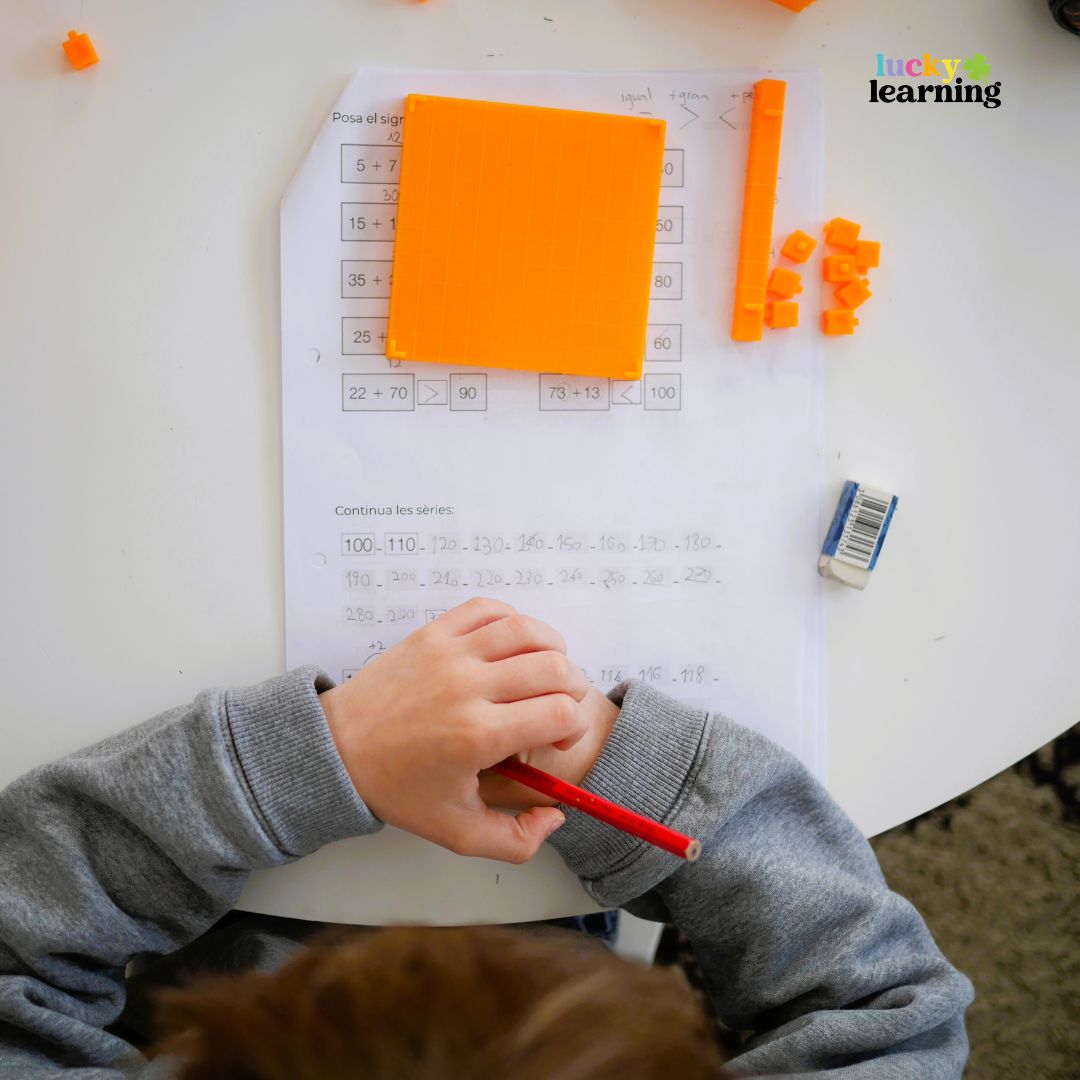
Students who struggle to recall basic facts often become frustrated when math concepts become more challenging later on {and leading to a serious hate of math!} That’s why consistent practice matters so much in our early elementary classrooms.
The challenge we face is finding ways to provide enough repetition without making math time feel dull or overwhelming.
The Problem With Endless Worksheets
Don’t get me wrong – worksheets absolutely have a place in our classroom. There are times when independent practice, quick assessments, or paper-pencil review activities are necessary.
But when worksheets become the primary way students practice math facts every single day, engagement often drops quickly!

Young learners thrive when activities feel interactive and meaningful. Repetitive drills can sometimes cause students to lose focus, rush through their work, or shut down completely if they are struggling.
This is especially true for students who already feel anxious about math. {That was me – always!!}
Some students begin associating math practice with stress instead of confidence. Others stop taking risks because they are worried about getting answers wrong.
That is one reason I love incorporating games into our math block whenever possible. Games create an environment where students are practicing important skills while feeling relaxed and motivated at the same time.
Why Math Games Increase Student Engagement
There is something powerful about adding play into learning.
The moment students hear the word “game,” participation instantly changes! Students lean in. They pay attention. They become invested in the activity.
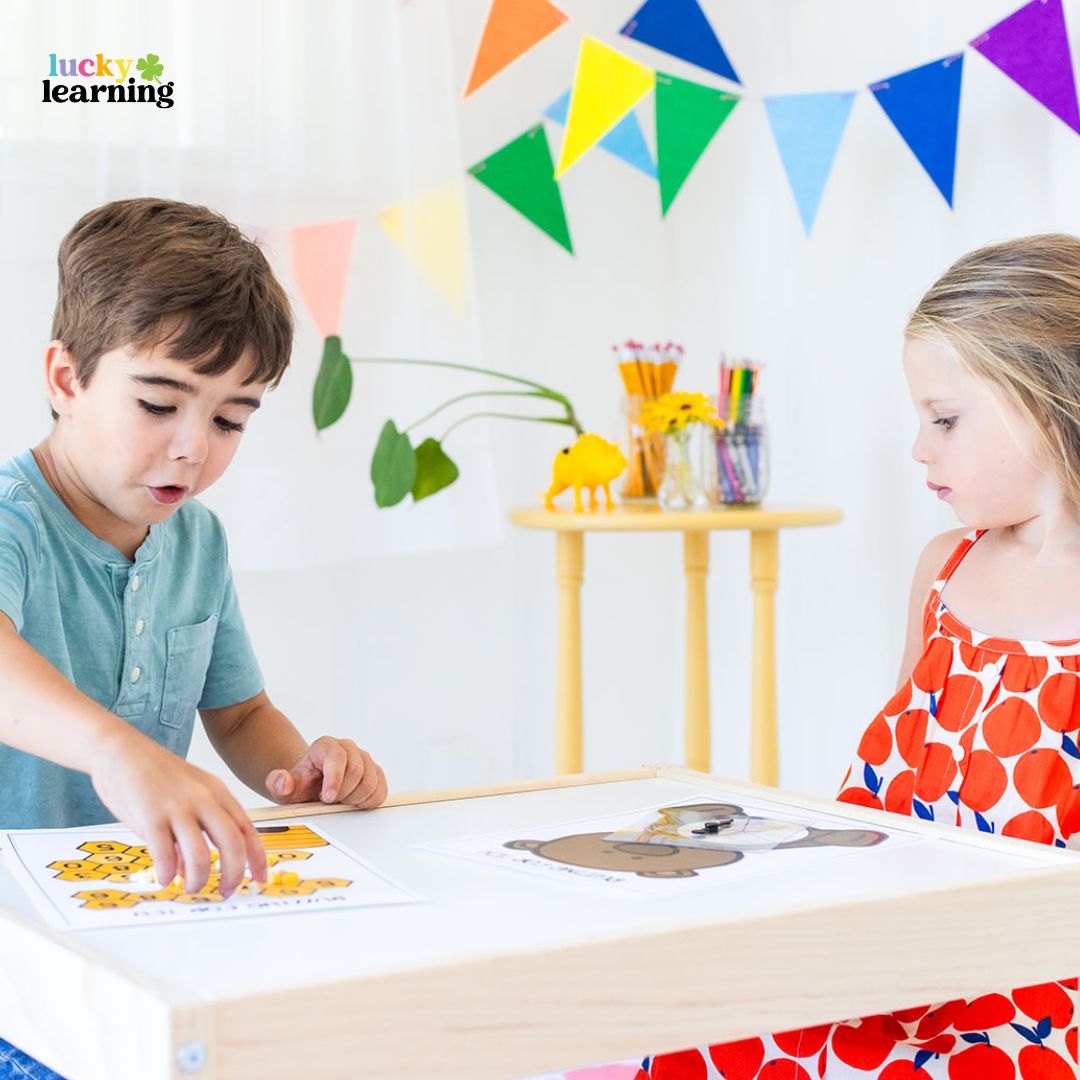
One of the biggest benefits of math games is that students are getting repeated practice without focusing on the repetition itself!
During a game, students may solve the same number of math problems they would complete on a worksheet, but the experience feels completely different because the activity includes strategy, movement, conversation, and excitement.
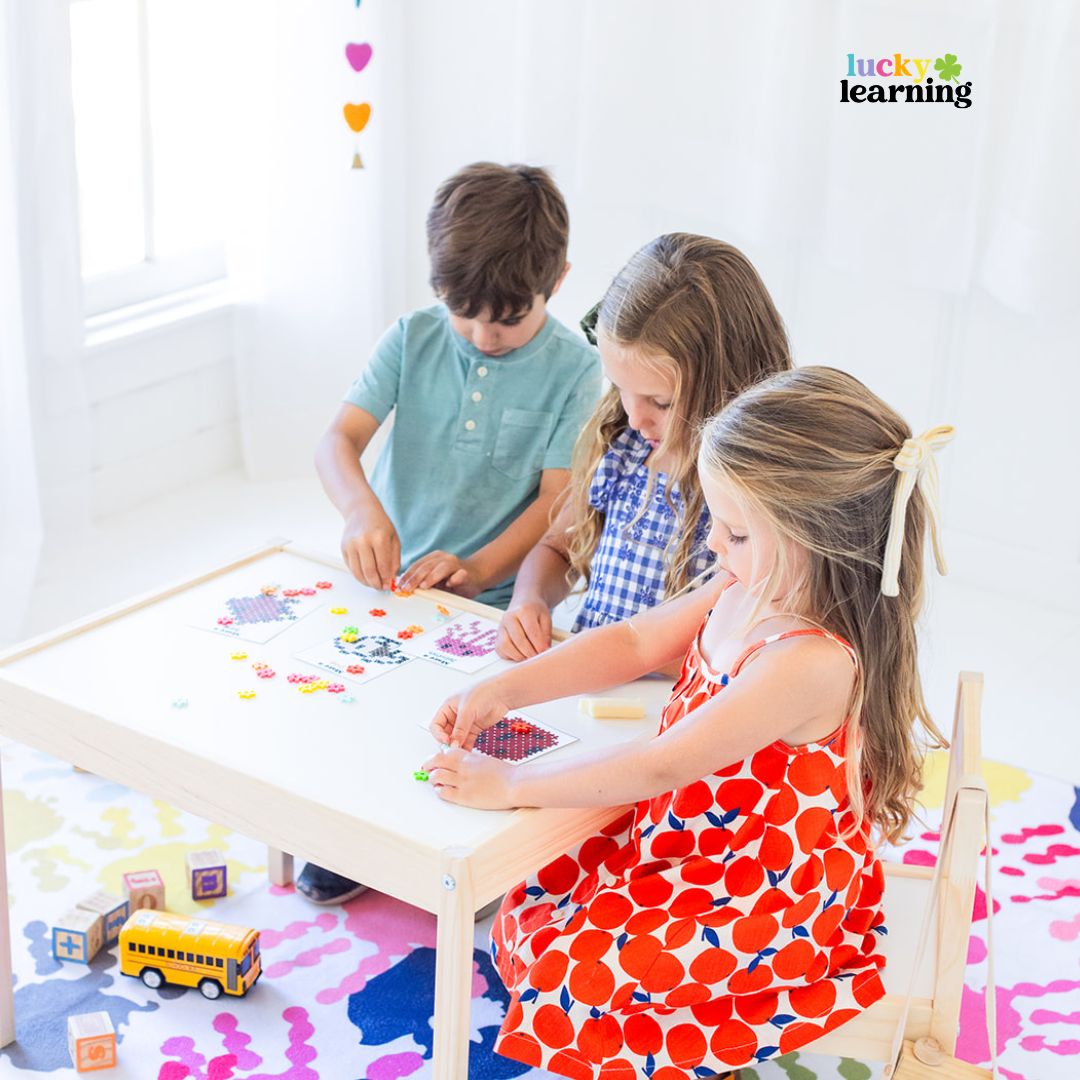
I’ve also noticed that students who are hesitant during independent practice are often much more willing to participate during partner games. The pressure feels lower, and the activity feels more approachable.
Games can also increase focus because students are actively involved throughout the activity instead of passively completing a page.
The Hidden Benefits of Partner Math Games
One thing I love most about partner math games is that the benefits go far beyond math skills!
Students learn how to take turns, communicate respectfully, encourage one another, and solve problems together. They practice patience and flexibility while building classroom relationships.
In many classrooms, partner games also help create a more positive classroom culture because students begin to associate math time with collaboration rather than frustration.
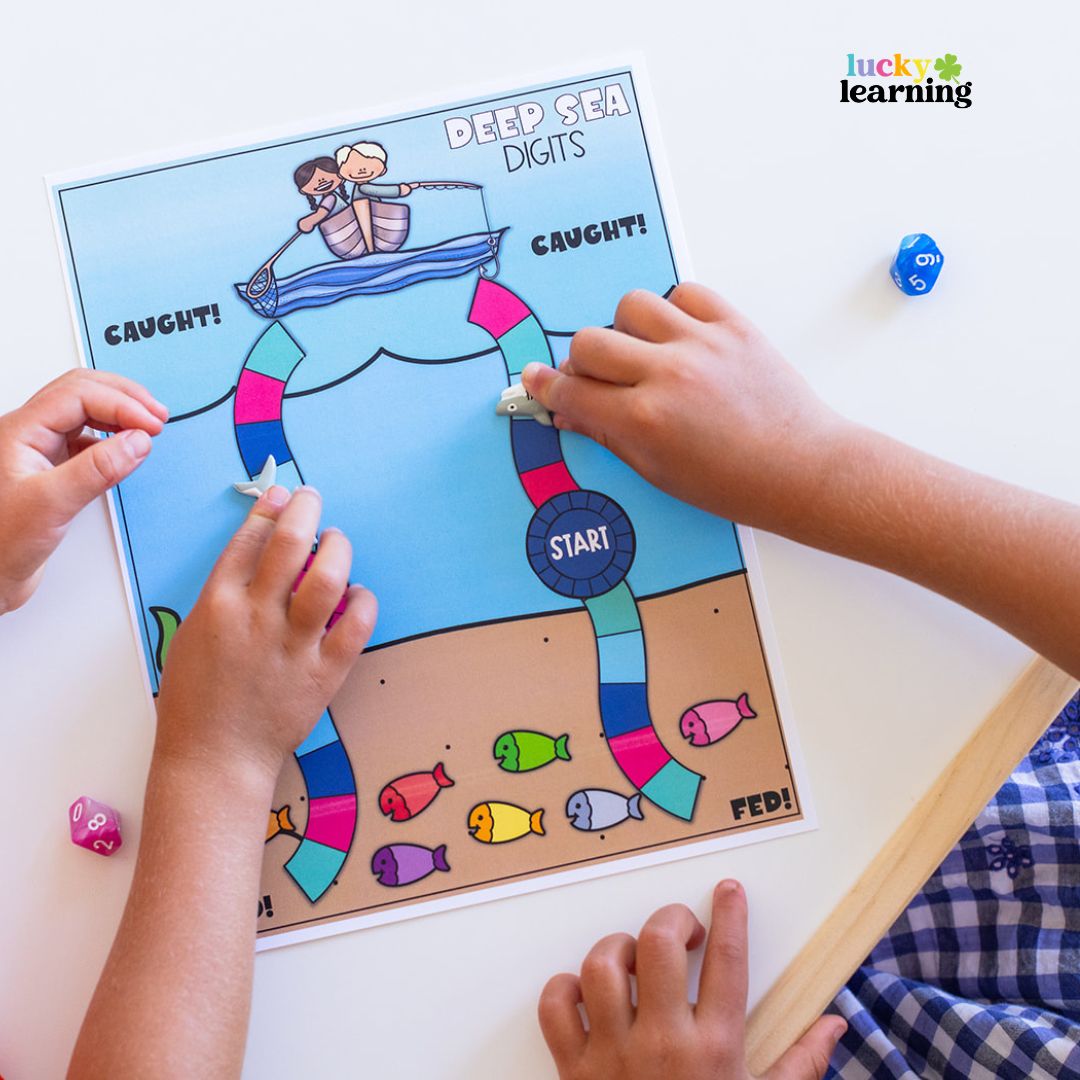
Simple games often lead to some of the best math conversations.
You may hear students explaining strategies to one another, defending answers, or helping a classmate understand a concept in a way that feels natural and supportive.
Those conversations make my heart soar! My favorite is when I hear a student who is usually reluctant to share
Low-Prep Math Activities Matter for Teachers Too
Let’s be honest. Teachers are busy.
Want me to send you this post?
Most teachers are balancing small groups, intervention, centers, classroom management, grading, planning, and everything else that comes with running a classroom. Preparing complicated math centers every week is simply not realistic for most classrooms.
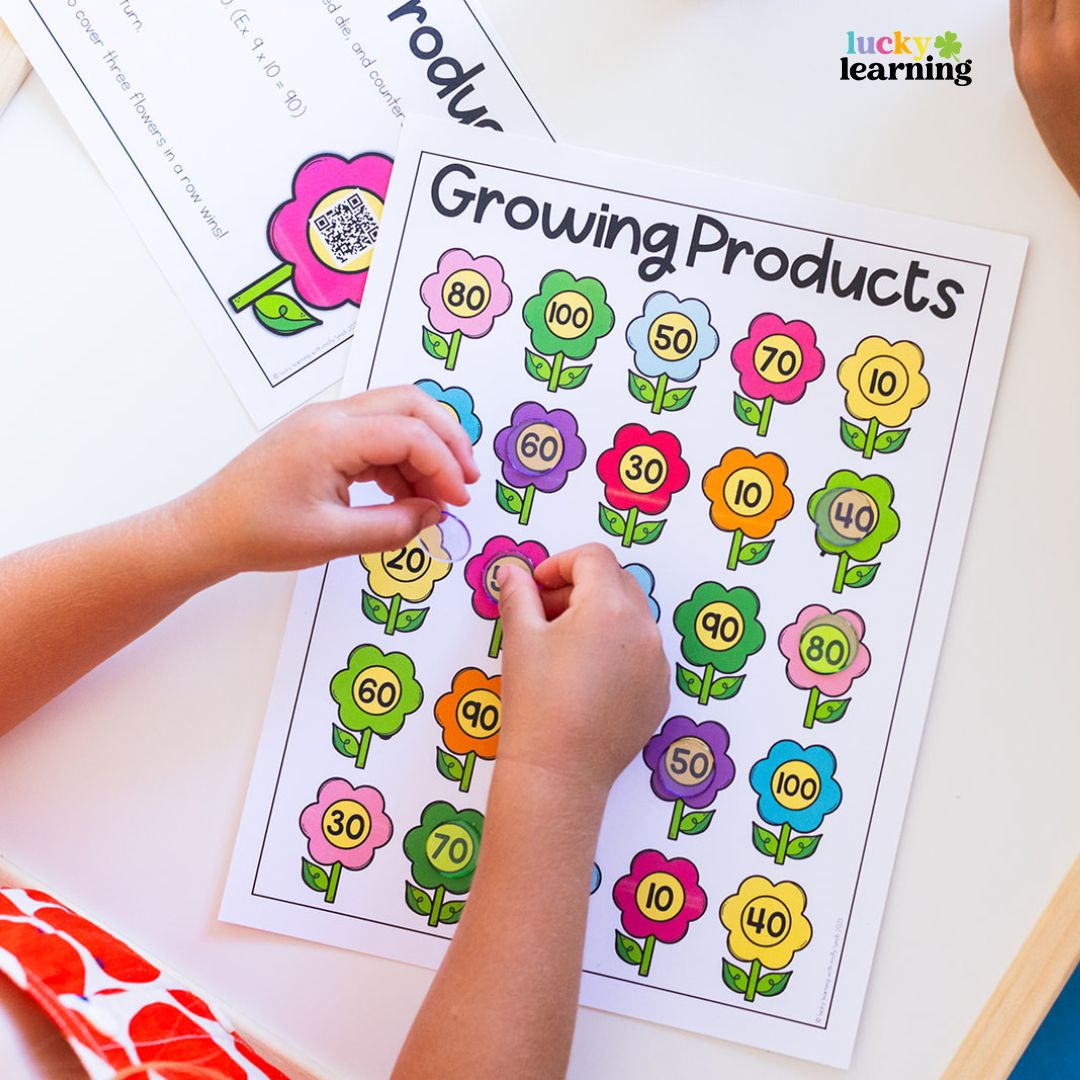
That is why low-prep math games can be such a lifesaver.
Simple game formats that students already understand allow teachers to spend less time explaining directions and more time focusing on instruction.
Once students know how to play, the games can easily become part of your regular math center rotation throughout the year.
I especially love activities that can be printed once, reused often, and adapted for multiple skill levels.
A Simple Math Game Students Actually Ask to Play
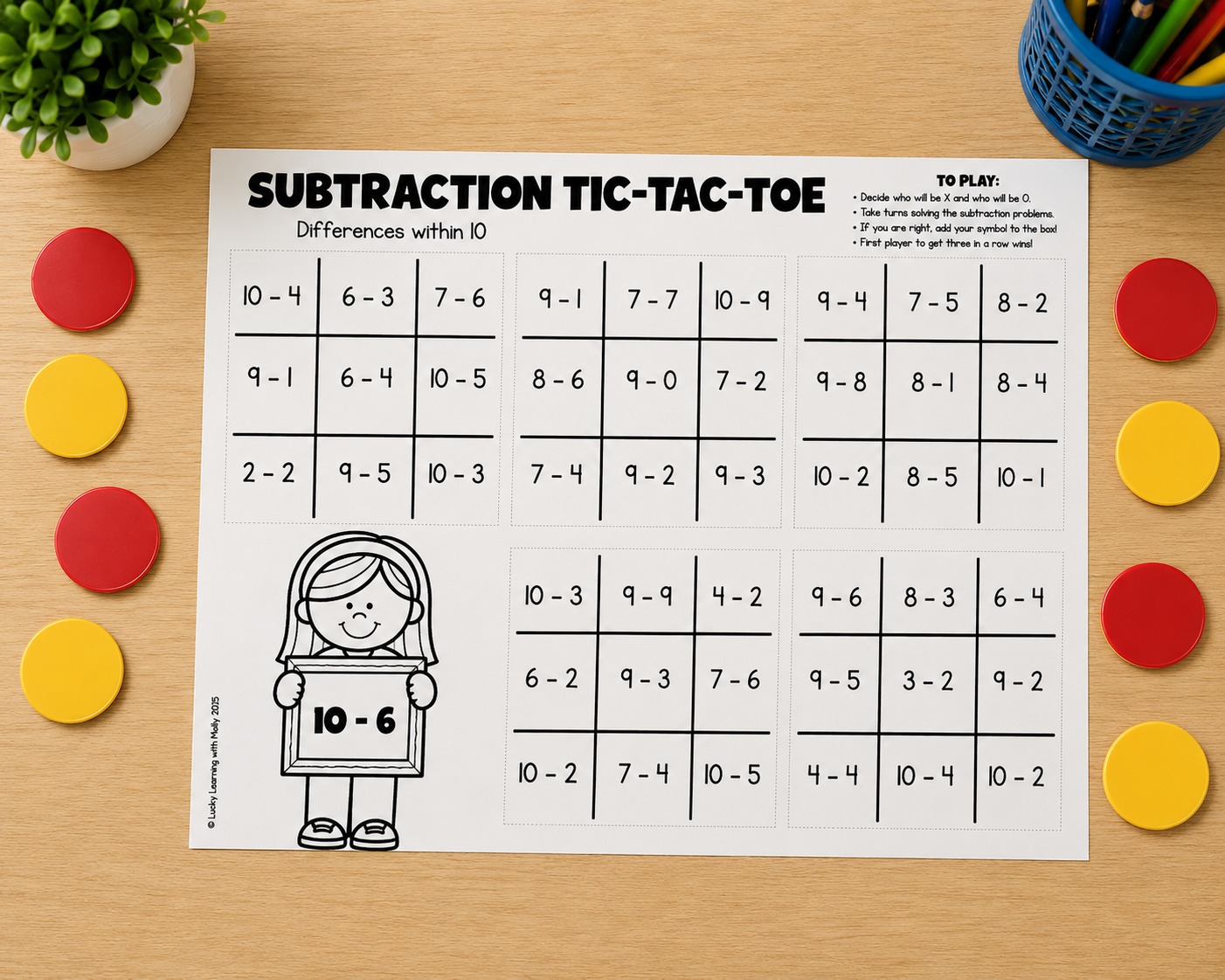
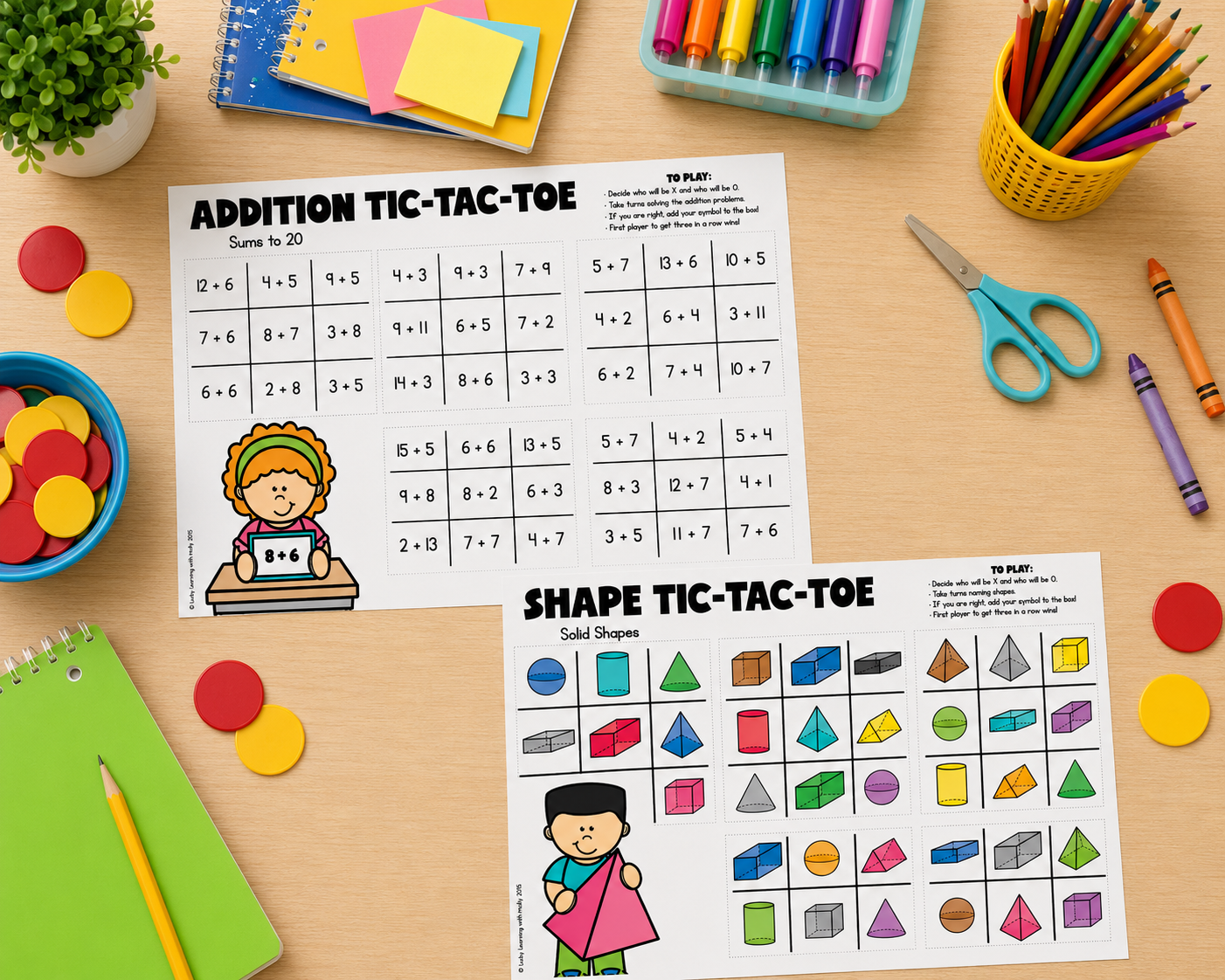
One of my favorite ways to make fact fluency practice more engaging is by using Tic Tac Toe math games during centers, partner work, morning tubs, or small groups.
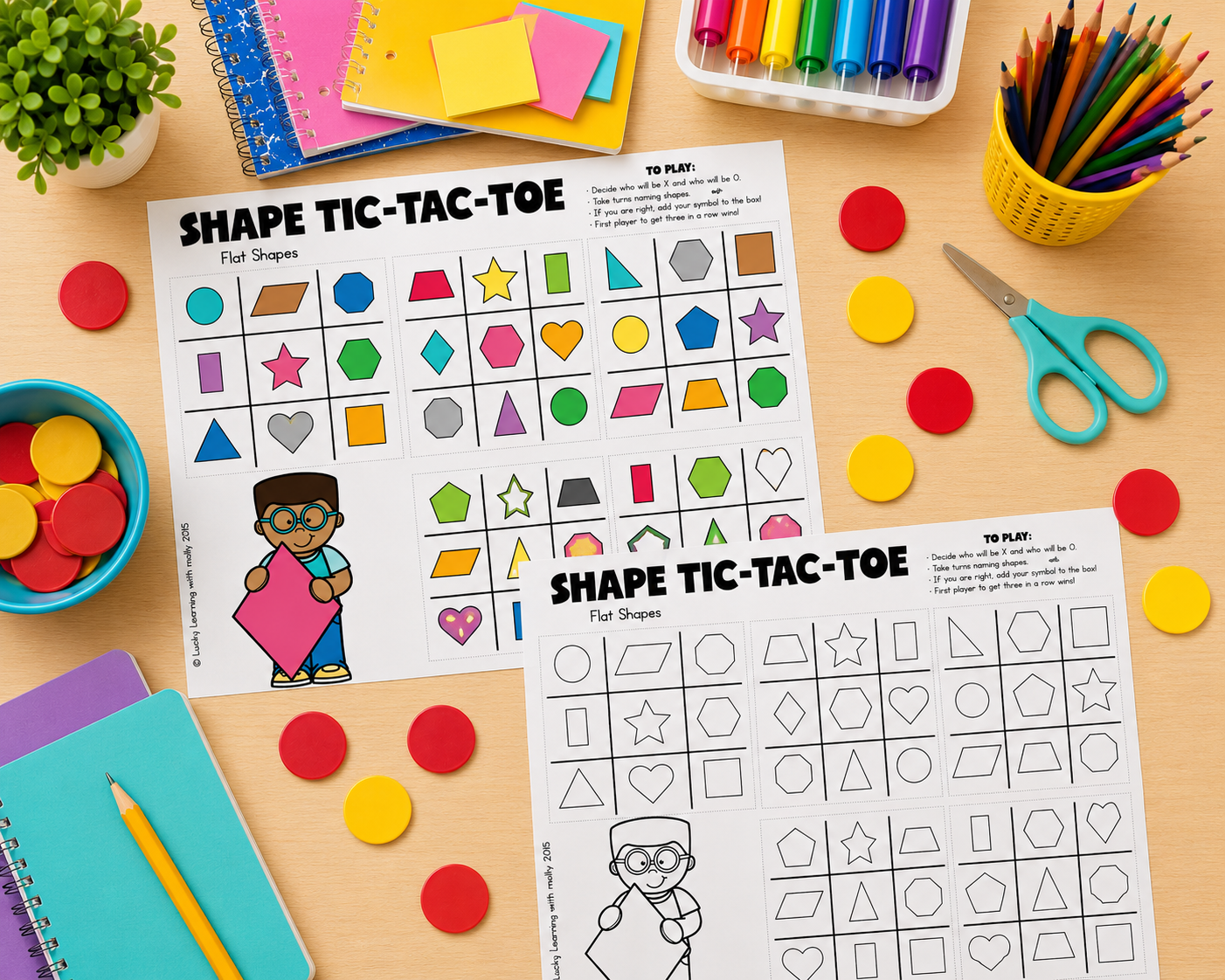
Students already understand the basic structure of Tic Tac Toe, so they can focus on the math instead of learning complicated rules.
The familiar format makes the activity feel fun and approachable while still providing meaningful skill practice.
I use these types of games for:
- addition fluency
- subtraction practice
- place value review
- number sense activities
- fast finisher work
- math intervention groups
What I love most is that students stay engaged because they are focused on the game itself. Meanwhile, they are repeatedly practicing important math concepts!
These kinds of activities work especially well during that part of the year when students need continued review, but motivation starts to dip.
Easy Ways to Add More Games Into Your Math Block
If you want to start incorporating more math games into your classroom, it doesn’t have to be complicated.
Start small.
Try replacing just one worksheet each week with a partner game or center activity. You might use games during:
- math centers
- intervention groups
- indoor recess
- morning work
- early finisher time
- review days before assessments
Simple routines often work best because students can become more independent over time.
Once students understand the expectations, math games can become one of the easiest and most effective parts of your math block.
Final Thoughts
Fact fluency practice does not have to feel repetitive or stressful for students.
Young learners need opportunities to practice important skills in ways that feel engaging, interactive, and encouraging. Games provide the repetition students need while helping build confidence and classroom community at the same time.
Sometimes the smallest changes create the biggest difference in student engagement.
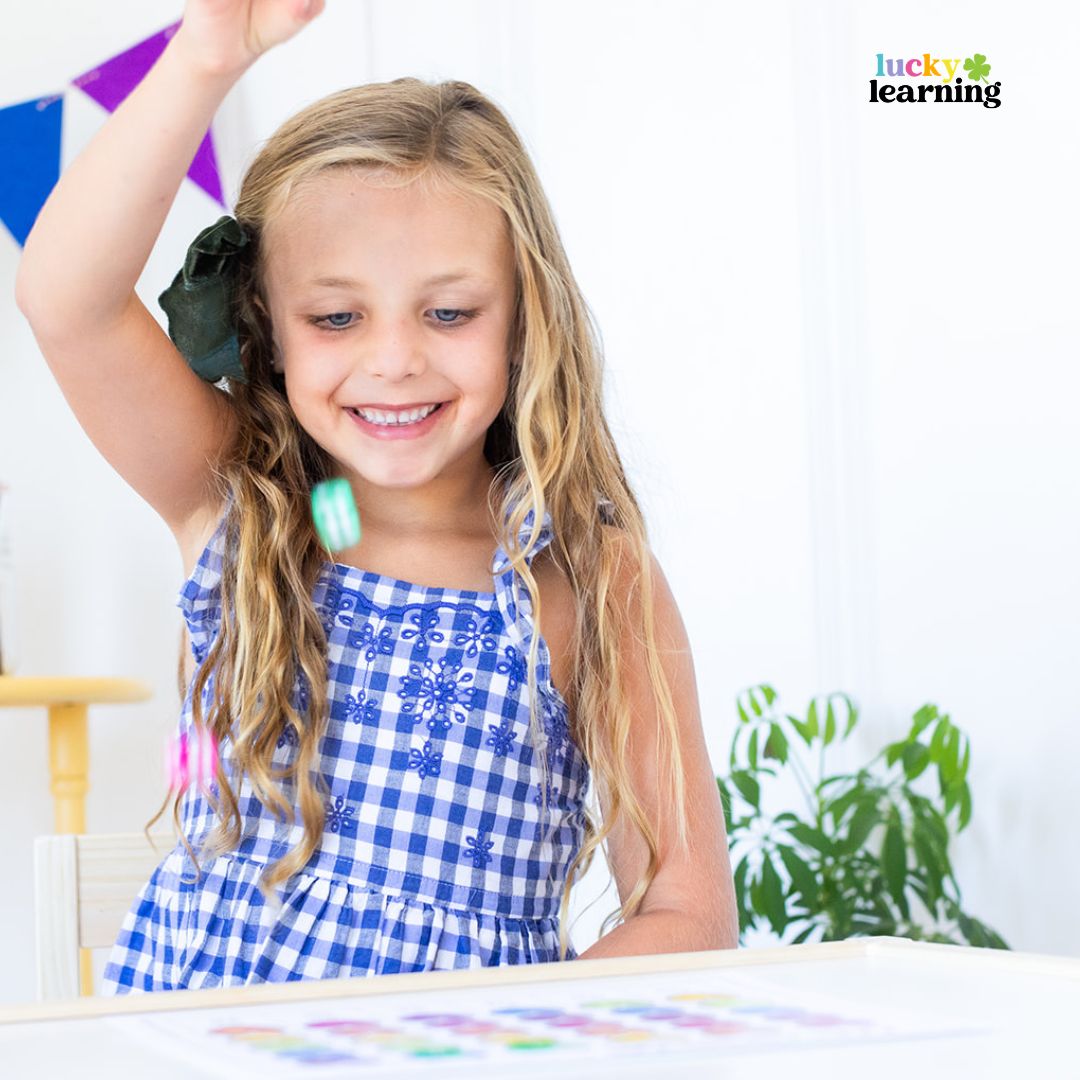
If your students have been losing interest during traditional math practice, try swapping one worksheet for a game this week and see what happens.
You may be surprised by how much more excited your students become during math time.
If you are looking for an easy, low-prep option, you can check out my Math Tic Tac Toe Games for Kindergarten, first grade, and second grade classrooms. They are designed to help students practice important math skills while keeping learning fun and manageable for busy teachers.
What math activity keeps your students the most engaged during fact fluency practice? I would love to hear your favorite ideas in the comments.
Need a little more convincing why Math Games belong in every classroom? Check out this post!

Don’t forget to Pin this post for later!