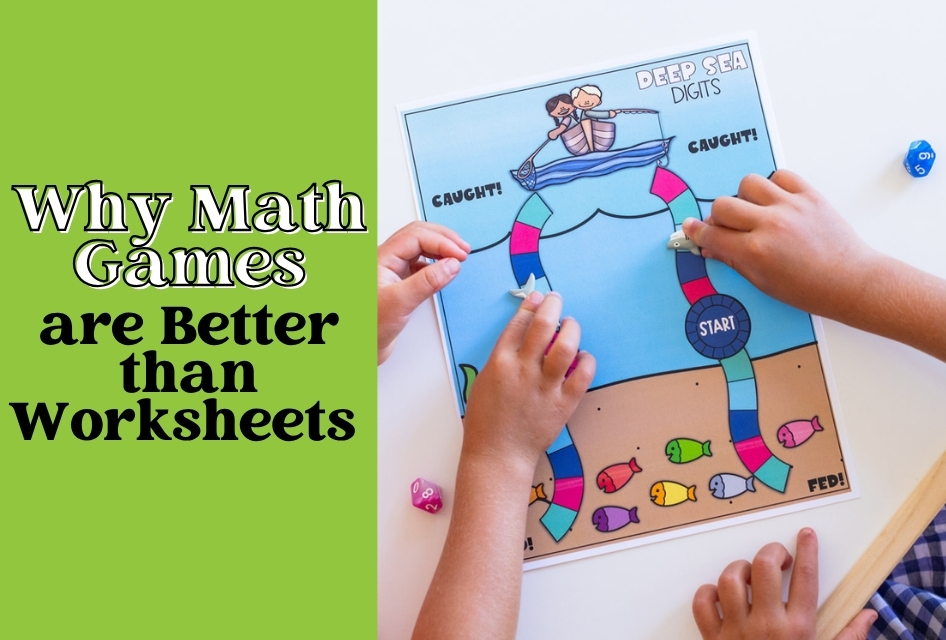
If you’ve ever had a student finish a math worksheet in record time and immediately ask, “What do I do now?”, you’re not alone. In the primary grades, worksheets help build fluency, but they don’t always give students opportunities to think deeply or apply what they’ve learned. And with the growing emphasis on problem-solving and reasoning in early math standards, teachers are looking for simple ways to build critical thinking without adding hours of prep.
The good news? You don’t need fancy manipulatives or complicated lessons to help young learners think more strategically. A few small shifts and the right types of activities can gently stretch their brains while keeping math fun and accessible.
Read on for some classroom-friendly ways to build critical thinking in K–2… and how to make it easy on yourself while you’re at it.

What Critical Thinking Looks Like in K–2 Math
When we hear “critical thinking,” we sometimes imagine big, complex tasks. But in the primary grades, it’s actually pretty simple. Critical thinking shows up when students:
- Notice and extend patterns
- Compare and sort objects
- Work through a challenge step-by-step
- Explain their reasoning
- Eliminate choices based on clues
- Make predictions and check their thinking
It’s less about “hard math” and more about giving kids opportunities to think, reason, and talk through their choices—even in small ways.
In my early days of teaching, I always assumed critical thinking was something BIG, but as I’ve taught longer, I’ve realized there are LOTS of ways to sneak in this important skill!
Add Quick, Low-Prep Logic Activities to Your Day
Logic tasks are one of my favorite ways to build critical thinking without adding to my prep load. These activities look like games, which is why students love them, but they require careful thinking.

A few examples you can easily add to your classroom:
- Simple picture-based logic puzzles
- “What doesn’t belong?” prompts
- Attribute sorting tasks
- Pattern block challenges
- Basic elimination puzzles
These activities work perfectly during morning work, in math centers, or anytime you want students to warm up their brains. A bonus: they build academic vocabulary naturally as students explain their steps (“That can’t go here because the row already has one…”).
Create Independent Math Centers and Early Finisher Choices
If you want something that truly builds independence, logic puzzles are a dream. They’re quiet, self-guided, and help students build stamina without needing constant teacher support.

For early finishers, especially, it’s helpful to have activities that feel like a challenge, not busywork. Logic puzzles check all the boxes:
✅ High Engagement
✅ Easy cleanup
✅ Themed Each Month
Want me to send you this post?

I rotate puzzles monthly, but you can tie them to the seasons to keep things fresh. Students start to look forward to the challenge, and you don’t have to reinvent the wheel every time.
Support Productive Struggle the Right Way
A big part of critical thinking is allowing students to engage in productive struggle. This is where students learn to persevere {not rush!} and look for clues or patterns to guide them.

You can support this by asking simple prompts during math time:
- “What else could work?”
- “How do you know that goes there?”
- “Can you show me another way?”
- “What clue tells you that answer makes sense?”
These open-ended questions push students to verbalize their thinking, which helps them develop confidence and math language skills.
A Simple Tool for Building Critical Thinking All Year: Seasonal Sudoku Puzzles
One easy way to work all of these skills into your day—without spending extra time prepping—is by using picture-based Sudoku puzzles designed for young learners.

The Sudoku for the Year set I created gives students a chance to apply logic, eliminate possibilities, and think through choices in a low-pressure format. Each puzzle uses seasonal pictures instead of numbers, which makes the challenge feel friendly and accessible for K–2 students.

Teachers love using these puzzles for:
- Math centers
- Early finisher tubs
- Morning work
- Brain breaks
- Partner logic challenges
- Sub plans
- Digital learning days
Because the resource includes both print and Google Drive options, you can use them in any classroom setup!
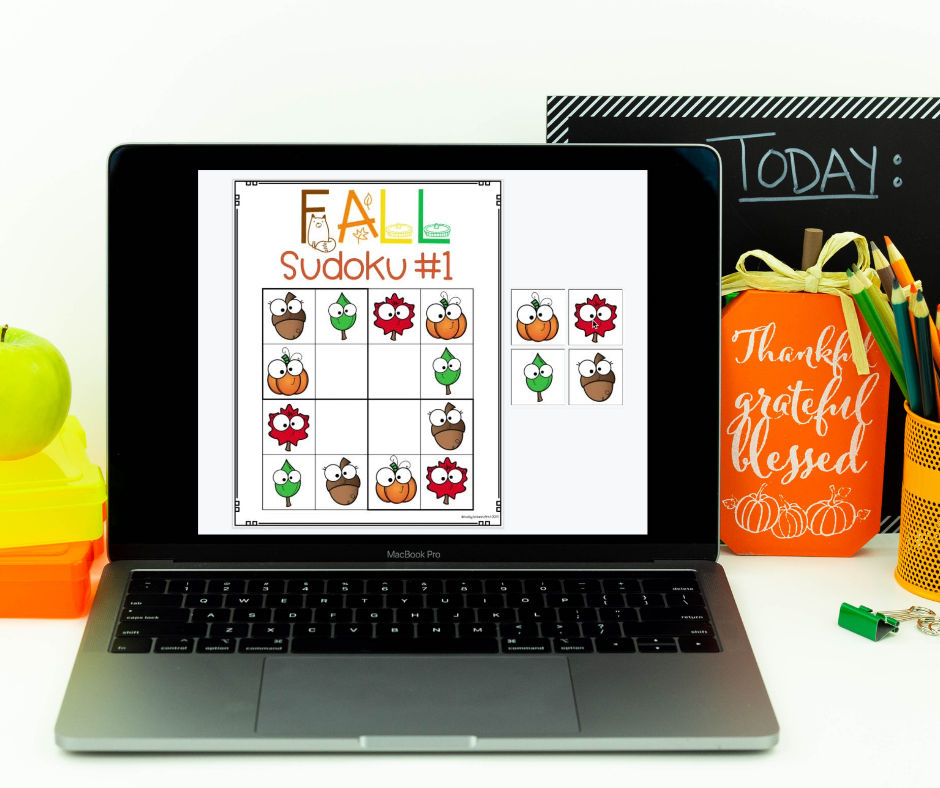
Students catch on quickly and start explaining their reasoning without even realizing they’re doing it. The puzzles give them just enough challenge to build confidence and persistence, but not so much that they shut down. It’s the perfect mix.
Try adding one logic activity to your week and see how your students respond. If you want a ready-made, year-long set of seasonal puzzles that build critical thinking in a fun, independent way, you can check out my Sudoku for the Year set right here.