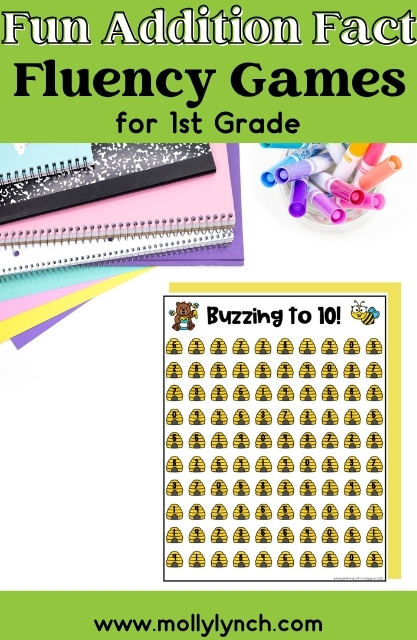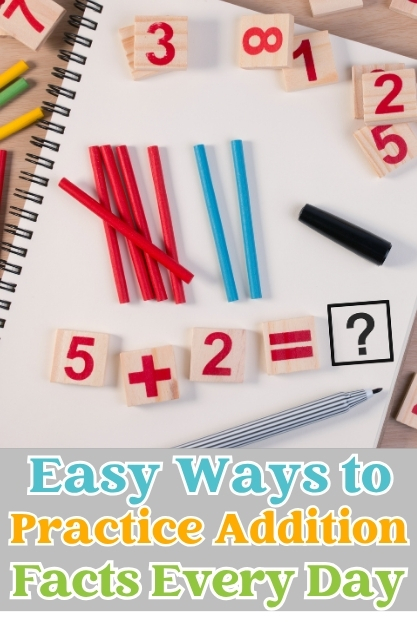
If you teach first or second grade, you know how MUCH practice students need before addition facts really start to stick!
You’ve taught the lesson. You’ve modeled the strategy. You’ve worked through examples together. Your students understand how to add.
Now they need practice.
And then they need more practice.
And probably a little more after that!
The problem is that handing students another page filled with addition facts isn’t always the best way to keep them engaged. Kids need repetition to build addition fact fluency, but that repetition doesn’t have to feel repetitive. {Don’t get me wrong – there is CERTAINLY a need for worksheets – I’m just saying it’s not the only way!}
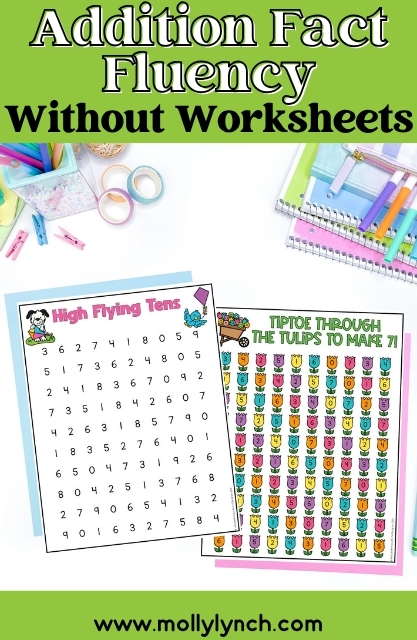
If you’ve been around awhile, you know one of my favorite ways to give students the practice they need is through simple math games and activities!
The goal isn’t to eliminate practice. It’s to make that practice meaningful enough that kids actually want to keep doing it.
What Does Addition Fact Fluency Really Mean?
When we talk about addition fact fluency, it’s easy to think about speed. Can a student quickly tell you that 7 + 3 = 10?
That’s certainly part of fluency, but there’s more to it than memorizing a long list of isolated facts.
Strong math students begin to notice relationships between numbers.
They understand that if they know 8 + 2 = 10, they can use that knowledge to help them solve other problems. They recognize different ways to compose and decompose numbers.
For example, there are lots of ways to make 10.
8 + 2
7 + 3
6 + 4
5 + 4 + 1
2 + 3 + 5
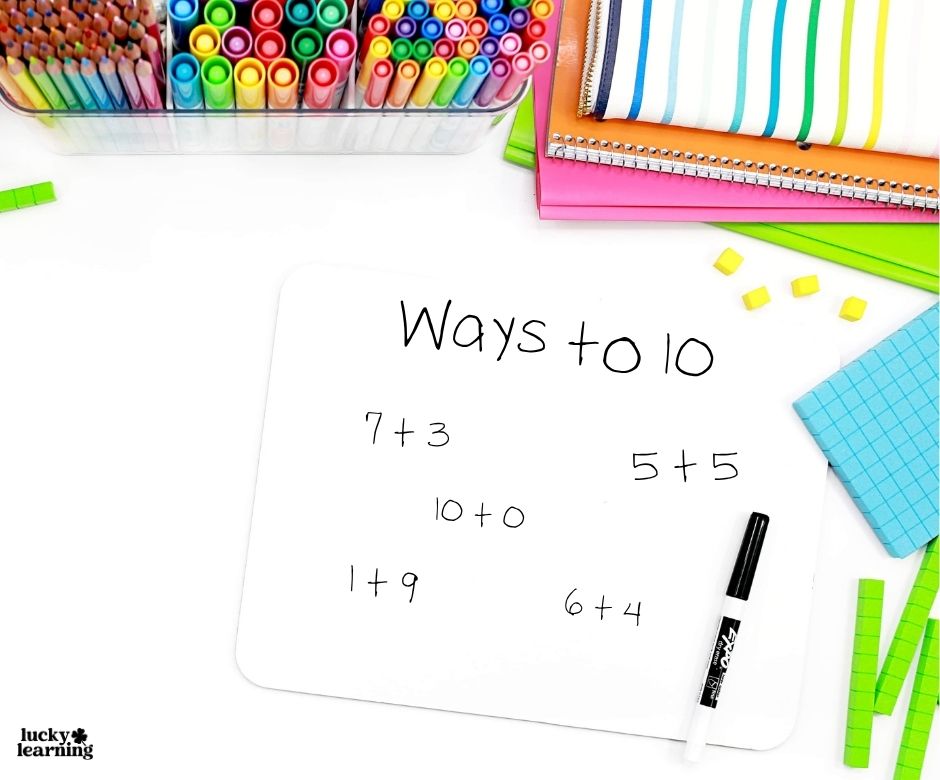
When students spend time looking for these combinations, they begin developing stronger number sense. Instead of seeing every addition problem as something completely new, they start making connections.
Which is exactly what we want!
Give Students Lots of Opportunities to Practice
There really isn’t a shortcut around practice.
Students need to see addition facts again and again before they become automatic. But repeated practice doesn’t have to mean completing the same kind of worksheet every day.
In fact, changing the format can make a huge difference.
Students might roll dice and add the numbers together. They can use playing cards to create addition problems. They can play partner games, solve quick math challenges, search for number combinations, or play a simple whole-class game.
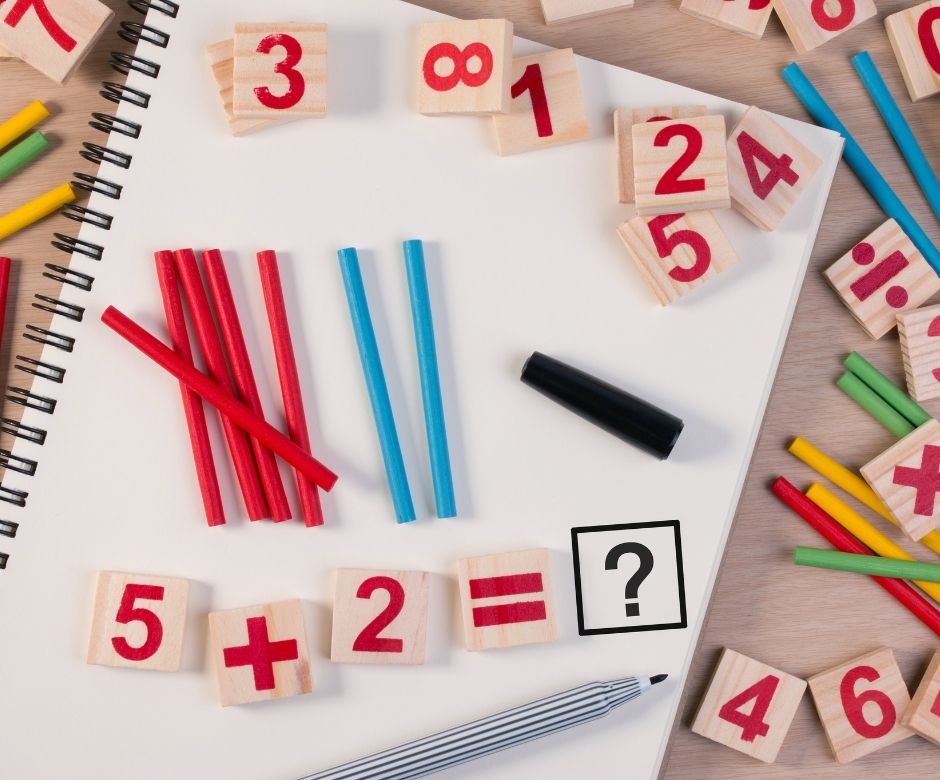
The math skill stays the same. The practice just feels different. And that can make students much more willing to keep going!
I’ve found that kids will often solve far more math problems during a game than they would if I handed them a worksheet with the exact same number of problems.
They’re focused on finding an answer, beating their partner, completing a challenge, or discovering another combination.
Meanwhile, they’re practicing their facts over and over.
Try a Target Number Hunt
One simple way to practice addition facts is to give students a target number and ask them to find different ways to make it.
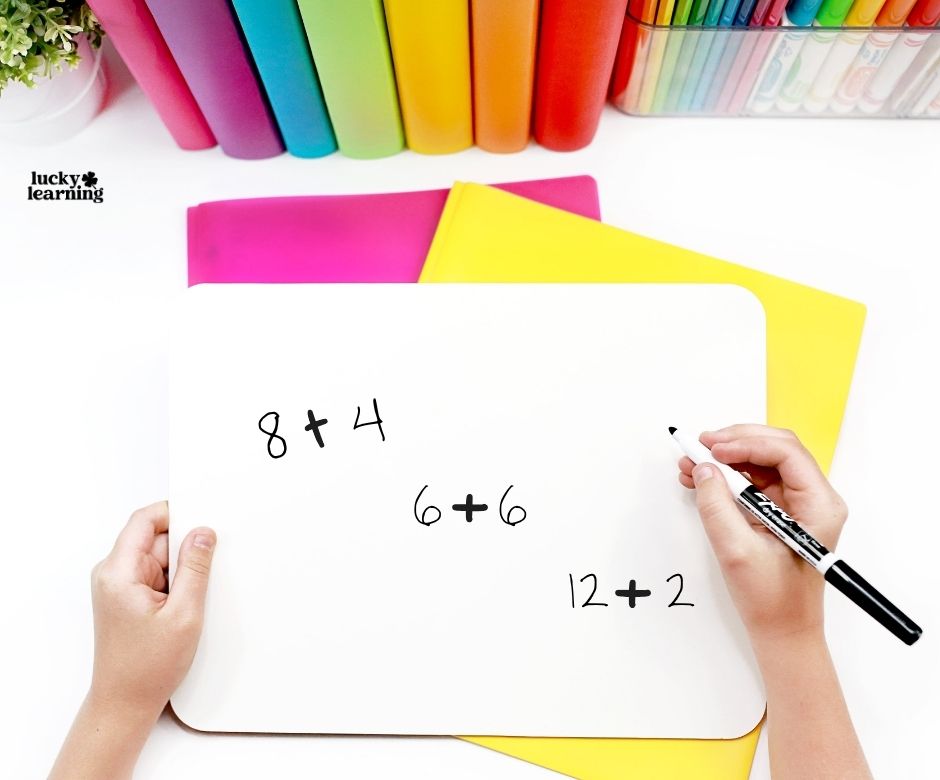
Let’s say the target number is 12.
Students might find:
10 + 2
8 + 4
7 + 5
6 + 3 + 3
2 + 4 + 6
Instead of simply solving equations that are already written for them, students have to look at the numbers and decide which combinations work.
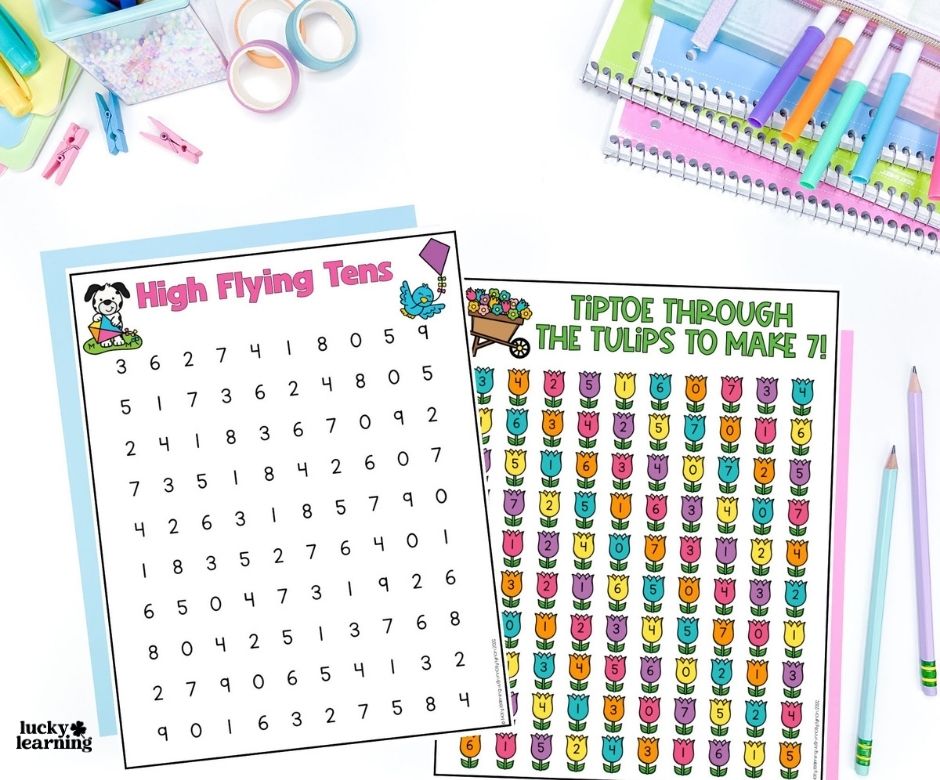
You can turn this into a number hunt by placing numbers in a grid and having students search horizontally, vertically, or diagonally for combinations that equal the target number.
Suddenly, practicing addition facts feels a little more like solving a puzzle.
This type of activity also makes it easy to increase the challenge.
Some students might begin by finding two numbers that make the target sum. Other students can look for combinations of three numbers.
Everyone can use the same basic activity while working at a level that makes sense for them.
Keep the Math Game Routine the Same
I love introducing new activities to my students, BUT I do not love spending ten minutes explaining new center directions every week.
There’s a big difference.
One of the easiest ways to make math centers run more smoothly is to find a few routines students understand and use them again throughout the year.
The theme can change, the numbers can change, and the level of difficulty can change. But the basic directions stay familiar.
That means students can get started without constantly waiting for you to explain what to do.
It also makes differentiation much easier.
For example, one group might work on finding combinations that make 8 while another group is working on ways to make 15. A student who needs an extra challenge might look for three addends instead of two.
Want me to send you this post?
The activity feels familiar, but the math can grow right along with your students.
This is especially helpful during first grade math centers, when you want students to be independent enough that you can actually work with your small group instead of stopping every two minutes to answer questions about another center.
Fit Fact Fluency Into the Routines You Already Have
Another reason I love math games is that they don’t need their own special block on your schedule. We already have enough to fit into the school day, am I right?!
Instead, I like finding small places to sneak in extra fact practice. A quick addition game can work during morning work.
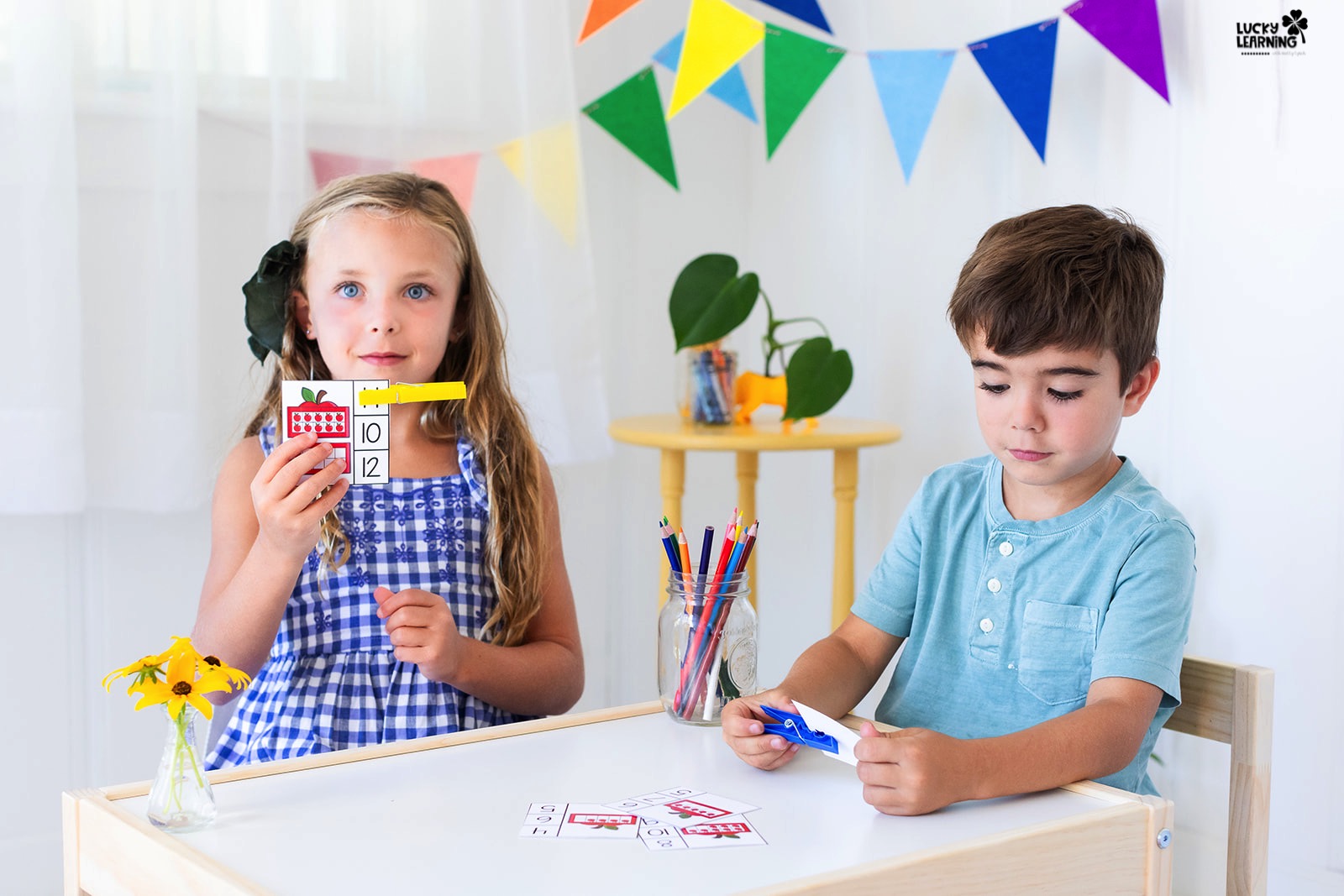
It can become one of your math centers. You can use it for partner practice after a lesson. It can be a warm-up during small groups or intervention. It can sit in an early finisher bin.
You can even pull one out when you suddenly find yourself with five extra minutes before lunch or dismissal.
Those little pockets of practice add up!
Five or ten minutes of meaningful fact fluency practice several times a week can give students a lot of extra exposure without requiring a completely separate lesson.
Make Addition Practice Feel Like a Game
This is exactly why I created my Circle the Sum Addition Fact Fluency Games.
I wanted students to get lots of addition practice without feeling like they were completing another page of facts.
In each game, students are given a target sum. Then they search the game board for combinations of numbers that equal that sum.
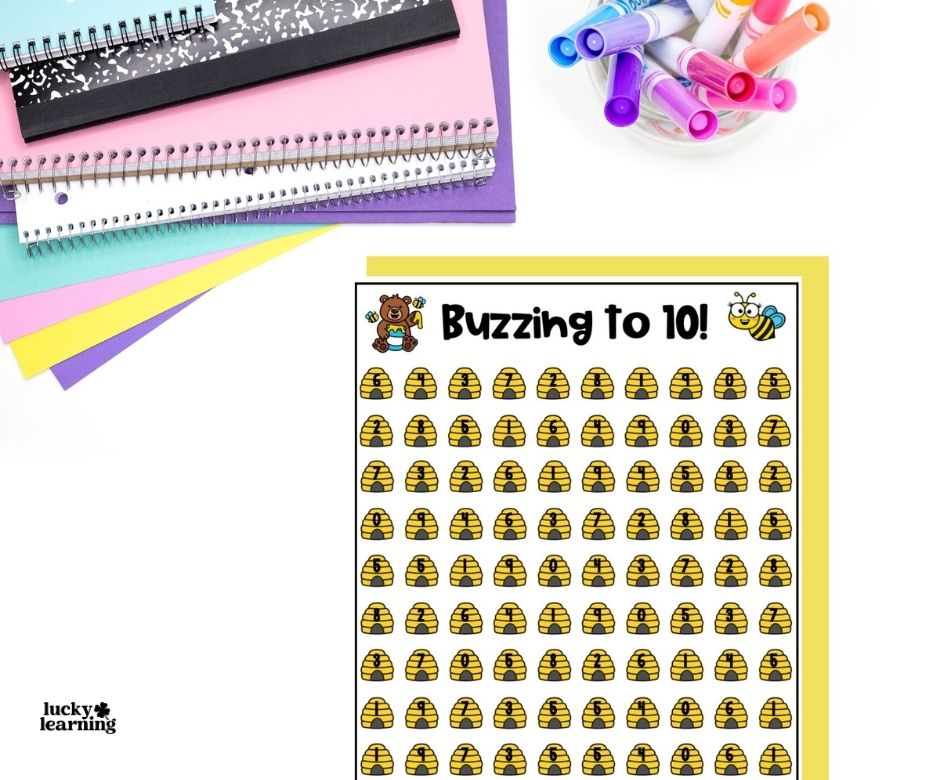
They can search horizontally, vertically, and diagonally to find combinations using two or three numbers.
So instead of simply answering:
8 + 4 = ___
students are looking at a group of numbers and thinking:
Can I find two numbers that make 12? Can I find three? Is there another combination hiding somewhere else on the board?
That little shift turns straightforward fact practice into more of a math hunt. And the students are still doing the important work.
They’re adding. They’re checking their thinking. They’re recognizing number combinations. They’re practicing facts repeatedly. They’re building addition fact fluency.
The seasonal Circle the Sum games practice target sums from 3 through 20, so you can use the same familiar game format as students build their skills throughout the year.
The themes change with the seasons, which keeps the activity feeling fresh, but students don’t have to relearn how to play every time.
That’s a win for students and a pretty big win for the teacher too.
Use the Same Activity for Different Learners
One of my favorite things about a familiar math game is how easy it is to adjust the challenge.
Let’s say you’re working with several groups during math centers.
One group may still be building confidence with smaller sums.
Another group is ready to work with sums into the teens.
Your stronger mathematicians may be ready to work with sums closer to 20 or look for more three-number combinations.
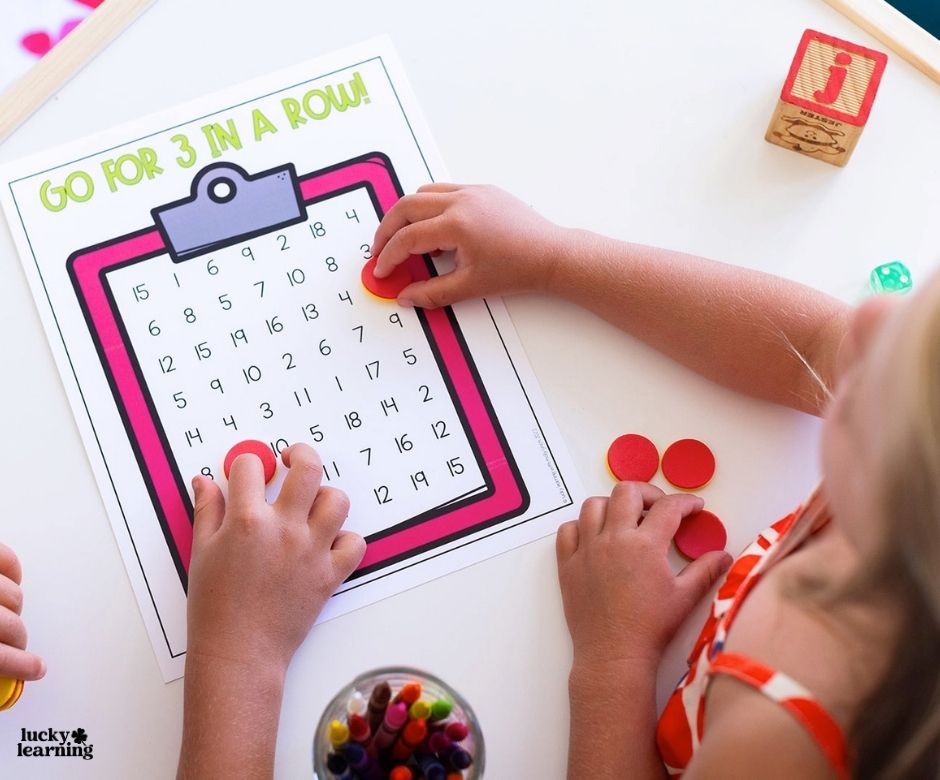
You don’t necessarily need three completely different centers.
You can give students the same type of activity with different target numbers. They understand the routine. You get to match the math to what they need!
And you don’t have to prep a completely separate activity for every group.
For busy teachers, that matters.
Repetition Doesn’t Have to Be Boring
Students absolutely need repeated practice to become fluent with addition facts.
But we get to decide what that practice looks like.
Sometimes a worksheet makes sense.
Other times, a five-minute partner game, number hunt, or math center can give students the exact same skill practice in a format they’re much more excited to complete.
And when students want to keep practicing, we’ve already won half the battle.
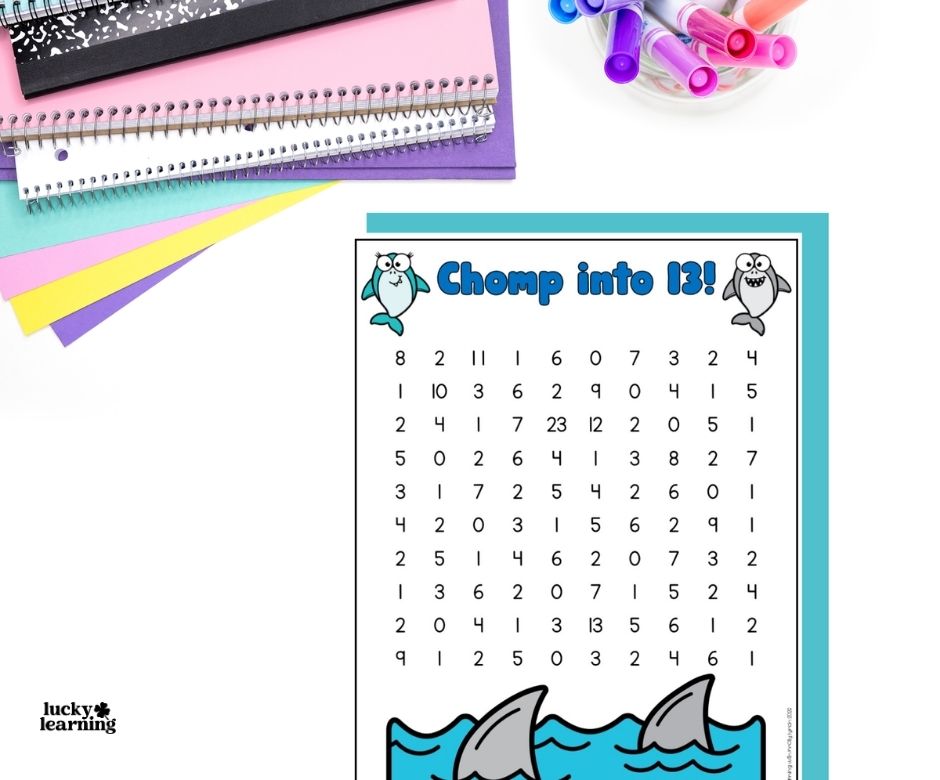
If you’re looking for an easy way to add more game-based fact practice to your classroom, you can check out my Circle the Sum Addition Fact Fluency Games for the Year. The set includes seasonal games for practicing sums from 3 through 20, so you can use the same familiar routine throughout the school year.
They work well for math centers, morning work, small groups, partner practice, intervention, early finishers, or anytime your students could use a little extra addition practice.
Most importantly, they give kids lots of opportunities to think about numbers instead of simply filling in another answer.
What’s your students’ favorite way to practice math facts? Do they love partner games, centers, whole-class games, or something else?
Try swapping one traditional practice page for a simple math game this week. You might be surprised by how much practice your students are willing to do when the practice feels like play.